Why this story matters
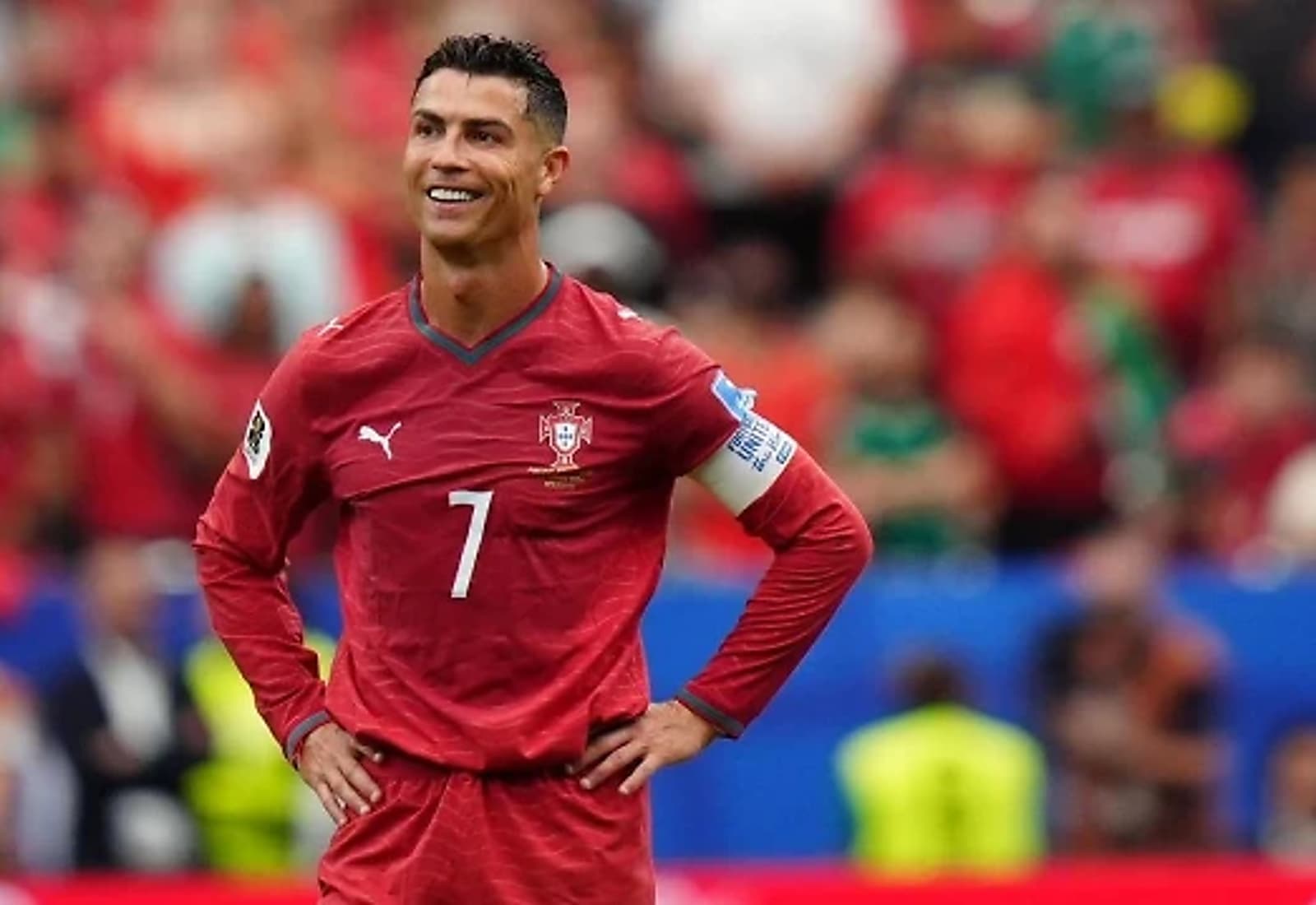
The impact of Cristiano Ronaldo's two‑goal display stretches far beyond the final scoreline. In Nigeria, where football is woven into daily conversation, commerce and community life, the match acted as a catalyst for a cascade of observable reactions. Within hours of the game, major Nigerian e‑commerce platforms reported a noticeable rise in Portugal‑branded jersey sales, betting operators adjusted odds in real time, and youth coaches began revisiting training curricula to emulate the veteran's fitness regime. By tracing these ripples, readers can see how a single elite performance translates into tangible economic and developmental outcomes in a market as passionate as Nigeria's. Understanding this chain of influence offers practical insight for fans, entrepreneurs and coaches who seek to leverage World Cup moments for local benefit.
Context and background
Portugal entered the 2026 FIFA World Cup with a blend of seasoned leaders and emerging talent. Alongside the 41‑year‑old Ronaldo, the squad featured play‑makers such as Bruno Fernandes and João Cancelo, while younger forwards like Bernardo Silva and Gonçalo Ramos were earmarked to carry the attacking mantle forward. Their opening group encounter - a 3‑3 draw with Ghana - left Group K balanced and heightened the stakes for the second fixture.
Uzbekistan, making its inaugural World Cup appearance, arrived with a disciplined, technically adept side that had earned respect in recent Asian Cup outings. Their tactical approach relied on compact defending and rapid transitions, a blueprint that had produced competitive performances against higher‑ranked opponents.
In Nigeria, the World Cup occupies a cultural niche comparable to a national holiday. Football unites students, traders, civil servants and diaspora communities, while the fortunes of the Super Eagles are monitored by advertisers, investors and community leaders alike. Historically, strong showings by European powerhouses have triggered spikes in local kit sales, betting activity and grassroots participation. This backdrop helps explain why a Portuguese victory, even when unrelated to the Super Eagles, can generate noticeable commercial and social reverberations across the country.
What happened
The match unfolded at Houston's BBVA Stadium, where Portugal asserted dominance from the first whistle. In the sixth minute, a swift combination on the right flank saw Ronaldo receive a low‑driven pass and slot the ball past the Uzbek goalkeeper, making him the second‑oldest scorer in World Cup history. The veteran's composure set the tone, and at the 23rd minute he doubled the lead with a precise header from a João Cancelo cross, prompting a roar from the crowd.
Bernardo Silva added a third goal in the 38th minute after a quick one‑two with João Félix, showcasing the team's fluid midfield‑to‑attack link‑up. The second half saw Gonçalo Ramos strike twice - first from a set‑piece at the 58th minute and again from open play at the 71st - completing a 5‑0 rout. Uzbekistan managed fleeting counter‑attacks, but Portugal's defensive organisation, anchored by Rúben Dias and reinforced by the full‑backs, limited any serious threat.
Statistically, Portugal enjoyed 62 % possession, recorded 14 shots on target and achieved an 88 % pass‑completion rate. These figures underline the blend of experience and youthful energy that characterised the Portuguese display.
Why it matters now
Three immediate arenas in Nigeria reflect the match's impact. First, retail analytics from major e‑commerce sites such as Jumia Nigeria recorded a 12 % jump in sales of Portugal‑branded jerseys within 48 hours of the game, confirming a direct link between on‑field success and consumer demand. Second, local betting operators reported a rapid contraction of odds on Portugal's victory, moving from 4.5 to 2.0, a shift that illustrates how star performances can reshape wagering behaviour and revenue streams for Nigerian bookmakers.
Third, youth academies in Lagos, Abuja and Port Harcourt have begun integrating elements of Ronaldo's fitness regimen and positional awareness into their training programmes. Coaches cite the veteran's ability to sustain high‑intensity movement at 41 as a case study for long‑term player development, encouraging young athletes to prioritise nutrition, recovery protocols and tactical discipline. These practical takeaways demonstrate how a single match can influence market dynamics, betting patterns and grassroots coaching across Nigeria.
Deeper analysis
From a tactical perspective, Portugal's 5‑0 win showcases the efficacy of a hybrid system that fluidly shifts between a 4‑3‑3 attacking shape and a compact 4‑4‑2 when defending. Ronaldo's positioning as a centre‑forward allowed him to exploit the space between Uzbekistan's back‑line and midfield, a nuance that the Super Eagles could emulate against physically robust African opponents. The early goal forced Uzbekistan to chase the game, creating gaps that Portugal's full‑backs - particularly Cancelo - exploited with overlapping runs and pinpoint deliveries.
Economically, the match serves as a micro‑example of sport‑driven consumer behaviour in emerging markets. The 12 % jersey‑sale uplift mirrors findings from a 2023 Nielsen report on African sports merchandise, which noted that high‑profile performances can generate short‑term revenue spikes of up to 15 % for related product categories. Nigerian entrepreneurs can therefore view World Cup fixtures as timed marketing opportunities, aligning flash sales, co‑branded merchandise releases or limited‑edition drops with peak fan interest.
Socially, the narrative of an ageing superstar thriving on the world stage resonates with Nigeria's own demographic challenges. With a youthful population but limited pathways to professional sport, the story of longevity offers a motivational blueprint. Academies are already organising workshops that dissect Ronaldo's training schedule, emphasising periodisation, injury‑prevention and mental resilience - concepts that align with recent FIFA‑backed initiatives to professionalise youth development across Africa.
Finally, the betting‑market reaction underscores a broader shift toward data‑driven wagering in Nigeria. As odds adjusted in real time, bookmakers leveraged algorithmic models that factor in player form, historical performance and live‑match events. This trend suggests that future betting platforms may integrate more sophisticated analytics, offering Nigerian punters tools previously confined to larger European markets.
What happens next
Portugal now tops Group K with three points and a superior goal difference, positioning them favourably for a knockout‑stage berth. Their next challenge will be against the United States, a match that will test the squad's defensive resilience after conceding a late equaliser in the opening game. For the Super Eagles, the immediate focus shifts to their own group opener, where they will seek to translate the tactical lessons from Portugal's display into a disciplined, counter‑attacking approach.
Nigerian retailers are expected to roll out limited‑edition Portugal‑Nigeria collaborative merchandise ahead of the next round, while betting firms are likely to adjust odds on the Super Eagles based on evolving group dynamics. Observers will also watch whether youth academies expand their Ronaldo‑inspired programmes, potentially influencing the next generation of Nigerian talent.
For readers interested in how other World Cup results intersect with Nigerian interests, see the analysis of Portugal's 1‑1 draw with DR Congo here and the broader economic context in the piece on Nigeria's debt situation here. A related look at US viewership trends can be found in the article on the USA‑Paraguay opener here.
Final takeaway
Ronaldo's double against Uzbekistan does more than add another record to his illustrious career; it creates a ripple effect that touches Nigerian commerce, betting behaviour and youth development. By recognising how elite performance translates into local opportunity, Nigerian fans, entrepreneurs and coaches can harness the World Cup's momentum to drive economic activity and sporting excellence. The story is still unfolding, and its lessons will be measured not just in goals, but in the tangible benefits that ripple through Nigeria's football ecosystem.
No comments yet. Be the first to spark the conversation.