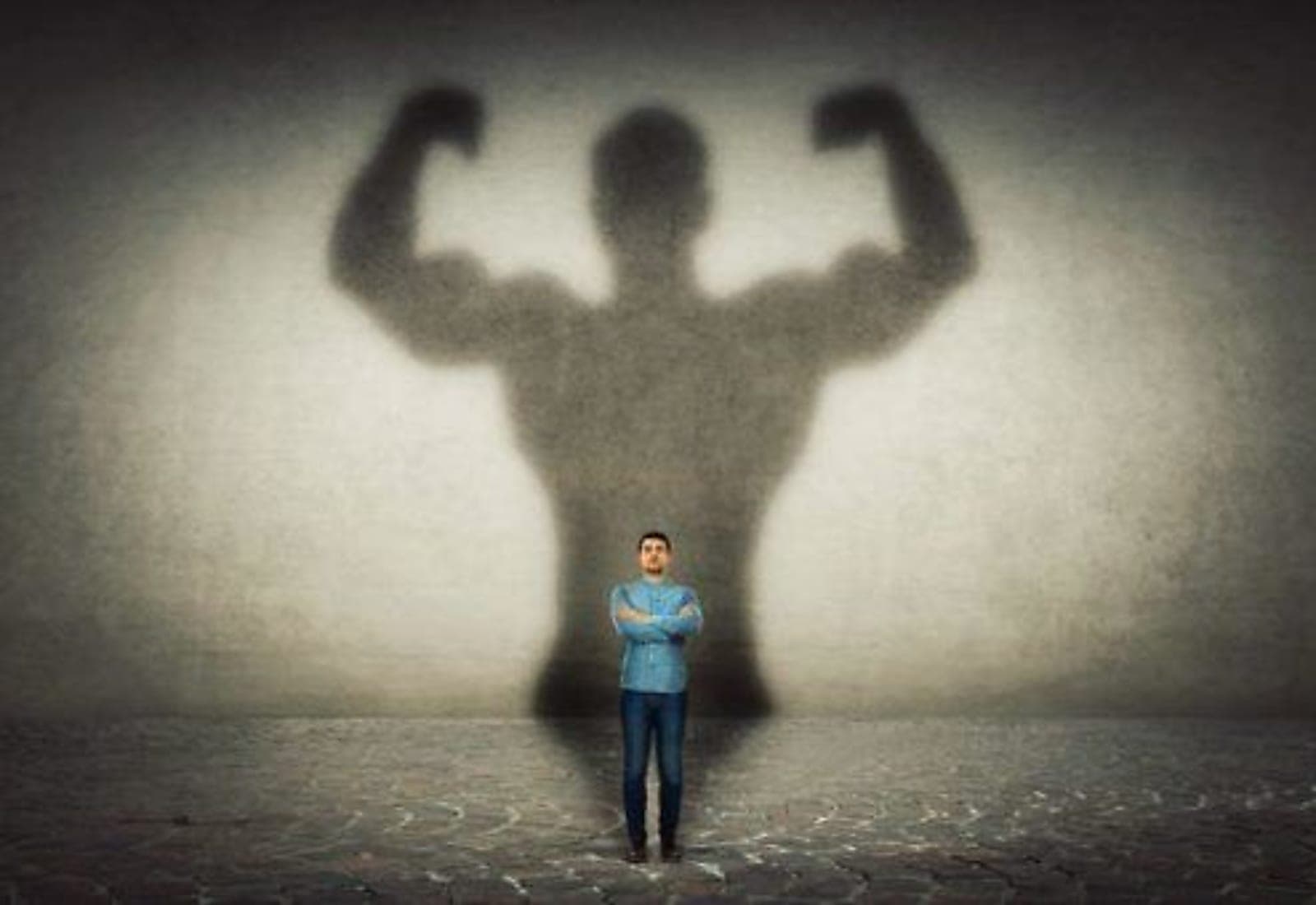
Few topics create as much private anxiety, insecurity, and misinformation among men as penis size.
It is rarely discussed openly in honest ways, yet millions of men quietly compare themselves against unrealistic standards shaped by pornography, social media jokes, locker-room myths, and exaggerated internet claims.
That is why recent renewed public discussion around average penis size statistics has triggered strong reactions online, especially as many people realise the numbers are often very different from what popular culture has led them to believe.
Medical experts have repeatedly argued that public understanding of "normal" penis size has been distorted for years by misinformation and unrealistic visual expectations.
For many men, that misunderstanding can quietly affect:
- confidence,
- relationships,
- mental health,
- and body image.
Why Penis Size Anxiety Is So Common
Experts in psychology and sexual health say penis size insecurity is far more widespread than many people realise.
The issue often begins during adolescence, when boys compare themselves to peers or absorb exaggerated ideas from media and pornography before fully understanding how much variation exists naturally in the human body.
As people grow older, those insecurities can persist even when there is no medical reason for concern.
Studies over the years have consistently shown that many men who worry about penis size actually fall well within medically normal ranges.
Yet anxiety remains powerful because the issue is tied closely to:
- masculinity,
- self-worth,
- sexual confidence,
- and social perception.
For some men, even casual jokes or online comments can reinforce insecurity for years.
The Internet Has Distorted Expectations
One of the biggest drivers of unrealistic expectations today is online content.
Pornography, edited images, misleading advertisements, and viral social media discussions often create distorted impressions about what is biologically average or normal.
Sexual health professionals have repeatedly warned that many men compare themselves against highly unrepresentative examples rather than realistic population averages.
That comparison culture has intensified dramatically in the social media era.
Algorithms constantly reward sensationalism, shock value, and exaggerated claims, especially around topics involving sex and relationships.
As a result, many people grow up surrounded by inaccurate information presented as fact.
What Medical Experts Actually Say
Medical professionals generally emphasise that there is a broad range of healthy variation when it comes to penis size.
More importantly, experts frequently stress that sexual satisfaction and relationship quality depend on far more than physical measurements alone.
Communication, emotional connection, confidence, mutual understanding, and overall sexual health typically matter much more in long-term relationships.
Doctors also warn that obsession with size can become psychologically harmful.
Some men develop severe anxiety disorders or body dysmorphic tendencies centred around perceived inadequacies that may not exist medically.
That can eventually affect:
- dating confidence,
- sexual performance,
- emotional wellbeing,
- and even social interaction.
The Commercial Industry Around Male Insecurity
Another major issue is the enormous commercial market built around male insecurity.
Countless products, supplements, procedures, and online advertisements target men by promising unrealistic enlargement claims or miracle transformations.
Experts repeatedly warn consumers to approach such claims with caution.
Many products marketed online:
- lack scientific backing,
- exaggerate results,
- or exploit emotional vulnerability for profit.
In some cases, unsafe procedures or unregulated products can even cause permanent medical complications.
The pressure to "measure up" has therefore become both a psychological and commercial issue.
Why Honest Conversations Matter
One reason the topic remains emotionally difficult is because many men feel unable to discuss insecurity openly without embarrassment or fear of ridicule.
That silence often allows myths and misinformation to grow unchecked.
Health experts argue that more honest and medically grounded conversations could help reduce unnecessary anxiety and improve public understanding.
Body image issues are not limited to women.
Men also experience intense appearance-related pressure, though it is often discussed less openly.
The rise of social media has only amplified those pressures.
Today, many men feel judged not only by partners or peers, but by unrealistic internet culture itself.
The Emotional Side Is Often Ignored
Discussions about penis size frequently become reduced to jokes, memes, or exaggerated bravado online.
But mental health professionals say the emotional impact can be very real.
Some men experience:
- chronic self-consciousness,
- depression,
- relationship anxiety,
- avoidance of intimacy,
- or reduced self-esteem.
That emotional burden can quietly affect personal relationships and overall quality of life.
Experts therefore encourage men struggling with severe anxiety or obsessive concerns to seek professional medical or psychological advice rather than relying on internet myths.
Why Perspective Matters
One of the most important points experts repeatedly make is that public perception is often disconnected from medical reality.
Average measurements exist precisely because most people fall somewhere near them.
Yet internet culture often convinces people that "average" somehow means inadequate, even though statistically it represents the norm.
That distorted thinking fuels unnecessary insecurity.
Professionals say healthier conversations around masculinity, body image, and relationships could help reduce pressure on younger generations growing up in hyper-comparative online environments.
What This Means Beyond the Headlines
The reason discussions around average penis size continue attracting attention is not simply because of curiosity.
The topic connects directly to:
- confidence,
- identity,
- vulnerability,
- sexuality,
- and modern body-image culture.
In many ways, the conversation reflects a broader societal issue where unrealistic standards increasingly shape how people view themselves physically.
For men especially, the pressure to appear successful, dominant, attractive, and physically impressive can become emotionally exhausting.
That is why experts continue encouraging a more realistic and medically informed understanding of body image rather than fear-driven comparison culture.
Ultimately, most professionals agree on one key point.
Confidence, emotional intelligence, communication, and mutual respect matter far more in relationships and intimacy than exaggerated internet myths ever will.
No comments yet. Be the first to spark the conversation.