The Wellness Industry's Biggest Lies: What Experts Actually Say
Meta Description
The global wellness industry is worth trillions, but experts warn many popular trends involving detoxes, supplements, biohacking, and self-care are heavily exaggerated or misleading.
The wellness industry promises almost everything modern people desperately want.
Better sleep. Less stress. Longer life. More energy. Perfect skin. Mental clarity. Weight loss. Emotional healing. "Optimised" living.
And globally, millions of people are buying into it.
The wellness economy is now worth trillions of dollars, driven by:
- supplements,
- fitness influencers,
- detox products,
- biohacking culture,
- luxury self-care,
- anti-ageing treatments,
- and social-media wellness branding.
But beneath the polished marketing and inspirational language, many medical experts are becoming increasingly concerned.
Because while some wellness practices genuinely improve health, others are built on:
- exaggeration,
- weak science,
- emotional manipulation,
- or outright misinformation.
And in an era where people are more anxious, exhausted, and desperate for control over their bodies than ever before, the industry's promises are becoming extraordinarily powerful.
Lie Number One: "Detox" Products Clean Your Body
One of the most profitable myths in wellness culture involves detoxification.
Juice cleanses. Tea detoxes. Expensive powders. "Body reset" programmes.
The marketing often suggests the human body is full of dangerous toxins needing special products to remove them.
Most medical experts strongly disagree.
The human body already contains highly sophisticated detoxification systems involving:
- the liver,
- kidneys,
- lungs,
- digestive system,
- and skin.
According to many doctors and nutrition scientists, most commercial detox products have little scientific evidence proving they remove toxins meaningfully.
In some cases, extreme detox programmes can even cause:
- dehydration,
- nutritional imbalance,
- fatigue,
- or digestive problems.
Experts usually recommend:
- balanced nutrition,
- hydration,
- exercise,
- sleep,
- and reduced alcohol intake
instead of expensive "miracle detoxes."
Lie Number Two: Supplements Can Replace Healthy Living
The supplement industry became enormous partly because pills feel psychologically easier than lifestyle change.
People often hope capsules can compensate for:
- poor sleep,
- stress,
- unhealthy eating,
- lack of exercise,
- or burnout.
But experts repeatedly warn most supplements are not magic solutions.
Some vitamins and minerals genuinely help people with:
- deficiencies,
- medical conditions,
- or specific nutritional needs.
However, many heavily marketed wellness supplements lack strong scientific evidence for dramatic claims involving:
- anti-ageing,
- fat burning,
- immunity boosting,
- or mental performance enhancement.
The biggest problem is marketing language often sounds scientific while remaining medically vague.

Lie Number Three: Wellness Equals Expensive Luxury
Social media transformed wellness into a luxury aesthetic.
Today, wellness often appears visually connected to:
- luxury gyms,
- expensive retreats,
- organic cafés,
- designer athleisure,
- skincare collections,
- and elite wellness travel.
This creates the illusion that health requires enormous spending.
Experts often argue the most powerful health interventions remain surprisingly simple:
- walking,
- sleep,
- hydration,
- nutritious food,
- stress reduction,
- relationships,
- and regular movement.
But simplicity does not generate massive profits online.
Luxury branding does.
Lie Number Four: "Natural" Automatically Means Safe
The word "natural" became one of the wellness industry's strongest marketing weapons.
Many consumers now assume natural products are automatically:
- healthier,
- safer,
- or more trustworthy than medical treatments.
But experts repeatedly warn natural substances can still be:
- dangerous,
- toxic,
- poorly regulated,
- or medically ineffective.
Some herbal products interact dangerously with medications.
Others lack quality control entirely.
Medical professionals usually stress that "natural" is not a scientific safety guarantee.
Lie Number Five: Biohacking Can Turn You Superhuman
Biohacking culture exploded online through:
- ice baths,
- fasting extremes,
- wearable optimisation,
- nootropics,
- longevity experiments,
- and performance obsession.
Some practices have legitimate scientific benefits.
For example:
- exercise,
- sleep improvement,
- moderate fasting,
- and stress management
can genuinely support health.
But experts warn biohacking culture sometimes exaggerates results dramatically.
Many influencers present:
- tiny studies,
- preliminary science,
- or personal anecdotes
as if they guarantee major transformation.
In reality, human biology remains far more complicated than internet wellness culture often admits.
Lie Number Six: Constant Self-Optimisation Creates Happiness
Perhaps the deepest wellness-industry illusion is the idea humans should constantly optimise themselves.
Modern wellness culture often treats ordinary human experiences such as:
- tiredness,
- sadness,
- stress,
- ageing,
- and imperfection
as problems needing endless correction.
This creates psychological pressure.
People begin feeling they are permanently failing unless they:
- track sleep perfectly,
- eat flawlessly,
- exercise constantly,
- meditate daily,
- and optimise productivity continuously.
Ironically, obsession with wellness sometimes increases anxiety instead of reducing it.
Mental-health experts increasingly warn about:
- perfectionism,
- burnout,
- and emotional exhaustion linked to self-optimisation culture.
Why Social Media Supercharged Wellness Culture
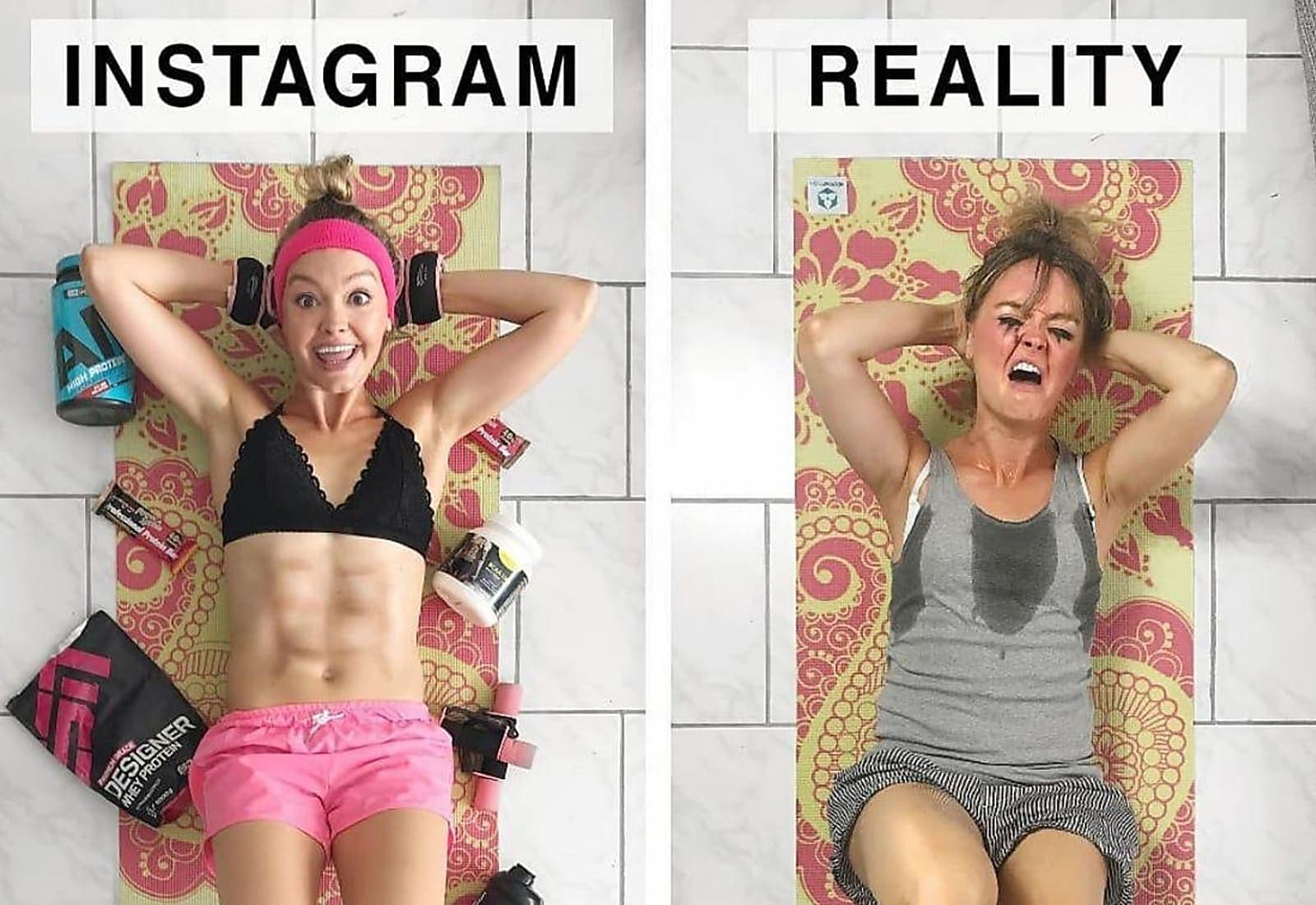
The wellness industry became incredibly powerful partly because it fits perfectly into social media.
Wellness content is visually attractive:
- smoothies,
- workouts,
- skincare,
- luxury retreats,
- healthy meals,
- and transformation stories all perform extremely well online.
Algorithms also reward emotional promises.
Posts promising:
- healing,
- confidence,
- weight loss,
- anti-ageing,
- or emotional transformation
spread rapidly because people deeply want those outcomes.
Influencers therefore became some of the industry's most powerful salespeople, often regardless of medical expertise.
Experts Say Basic Health Habits Matter Most
Despite the noise surrounding wellness trends, most doctors and public-health experts still return to surprisingly ordinary advice.
The strongest long-term health foundations usually involve:
- consistent sleep,
- physical activity,
- healthy nutrition,
- stress management,
- social connection,
- reduced smoking,
- and moderate alcohol use.
These habits are not glamorous.
They are also difficult to market dramatically because they lack novelty.
But scientifically, they remain among the most effective tools for long-term wellbeing.
The Wellness Industry Also Reflects Real Fear
Part of the reason wellness culture became so massive is because modern life genuinely feels unhealthy to many people.
People increasingly struggle with:
- stress,
- burnout,
- loneliness,
- processed food,
- digital overload,
- poor sleep,
- and emotional exhaustion.
The industry therefore sells more than products.
It sells:
- control,
- hope,
- identity,
- and reassurance.
That emotional need is real.
Which is why wellness marketing can become so persuasive.
Why Some Wellness Trends Still Help
To be fair, not everything inside wellness culture is fake.
Many positive trends gained popularity through wellness movements, including:
- mindfulness,
- fitness awareness,
- mental-health openness,
- healthier eating,
- yoga,
- meditation,
- and preventive healthcare focus.
The problem is not wellness itself.
The problem is when commercial incentives encourage exaggerated promises beyond scientific evidence.
Final Analysis
The wellness industry's biggest lie may not be any single product or trend.
It may be the idea that perfect health is fully achievable if people simply buy enough solutions.
Experts repeatedly remind us that human health is messy, imperfect, and deeply connected to:
- genetics,
- environment,
- stress,
- relationships,
- lifestyle,
- and ageing itself.
There is no miracle shortcut.
No perfect optimisation formula.
No magical product capable of eliminating human vulnerability completely.
And perhaps the healthiest thing modern people can do is stop believing every expensive promise pretending otherwise.
The Wellness Industry's Biggest Lies: What Experts Actually Say matters because health coverage shapes how readers understand risk, daily habits, and official guidance. A useful interpretation focuses on practical implications, what is confirmed, and what readers should treat with caution.
The next meaningful updates around The Wellness Industry's Biggest Lies: What Experts Actually Say will usually come from official statements, confirmed follow-up reporting, and the practical response of the people or institutions involved. Readers should watch for what changes after the first reactions, not just the first reactions themselves.
What is this health article about?
The global wellness industry is worth trillions, but experts warn many popular trends involving detoxes, supplements, biohacking, and self-care are heavily exaggerated or misleading.
Why does this story matter?
The Wellness Industry's Biggest Lies: What Experts Actually Say matters because health coverage shapes how readers understand risk, daily habits, and official guidance. A useful interpretation focuses on practical implications, what is confirmed, and what readers should treat with caution.
When was this article published or updated?
It was published on 21 May 2026 and last updated on 30 June 2026.
Does this page include source references?
Yes. Source links or source details are shown on this page.
Where can readers find related Century Blog coverage?
Readers can continue with related coverage in the same topic area, including Hydration's Growing Role in Health: From Hot Weather to Daily Routines and South African Scientists Detect Seoul‑type Hantavirus on Dutch Cruise Ship, Demonstrating Global Health Vigilance.
No comments yet. Be the first to spark the conversation.