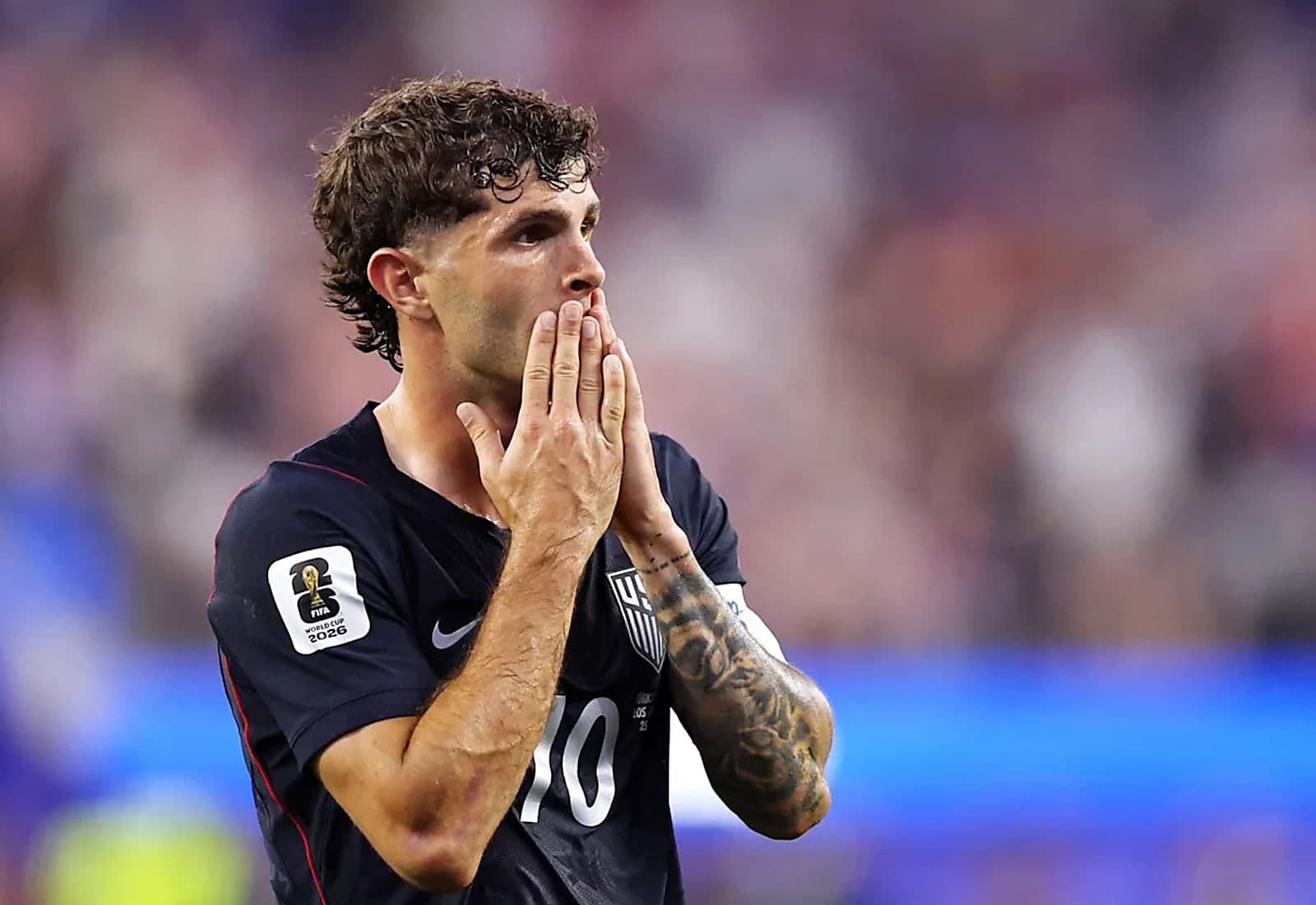
Why this story matters
The United States Men's National Team has reached the knockout stage of the 2026 FIFA World Cup, a tournament co‑hosted on home soil. While the on‑field drama captures headlines, a parallel crisis is unfolding in retail windows and online marketplaces: official USMNT jerseys are disappearing from shelves at an unprecedented rate. For supporters, the jersey is more than a piece of clothing - it is a visible badge of national pride and a tangible souvenir of a historic event. The current scarcity therefore touches on consumer confidence, the credibility of major brands such as Nike, and the broader economics of sports merchandising. Understanding why the kits are hard to obtain offers readers practical guidance on securing authentic apparel and, crucially, sheds light on structural weaknesses that could affect future tournaments and other high‑profile sporting events.
Context and background
World Cup merchandise has long been a lucrative side‑business for FIFA and its partners. In 2022, FIFA reported a $1.2 billion surge in official kit sales, driven by limited‑edition drops and a surge in e‑commerce activity. The 2026 edition carries added weight for the United States: the tournament is being co‑hosted, meaning domestic demand is amplified by patriotic sentiment and heightened media exposure. Historically, three pillars determine jersey availability: manufacturing capacity, distribution logistics, and retailer allocation strategy. Any disruption along this chain can translate into empty shelves and frustrated fans. The USMNT's partnership with Nike, which pledged in 2025 to increase the share of recycled‑polyester in its kits, introduced an additional variable - a shift to more sustainable materials that required re‑tooling of production lines across Southeast Asian factories. These background factors set the stage for the current shortage.
What happened
The shortage can be traced to four inter‑related developments. First, production bottlenecks emerged as Nike's Southeast Asian plants faced a roughly 12 % reduction in output, a figure attributed to lingering labour shortages and the 2024 supply‑chain crunch. The push for recycled‑polyester kits further slowed the line, as factories re‑configured equipment to meet the sustainability pledge. Second, distribution chaos arose from the dual‑hub logistics model required for a co‑hosted World Cup. Cargo arriving at Los Angeles and Toronto experienced longer customs clearance times, partly because security checks were intensified in response to the massive influx of fans and media personnel. Third, retailer allocation errors compounded the problem. Major US chains such as Target and Dick's Sporting Goods received pre‑order quotas based on historic sales, yet pre‑order volume for the 2026 kits was 30 % higher than those forecasts. To avoid over‑stock, many retailers deliberately limited their allocations, leaving physical stores with little or no inventory. Finally, reseller exploitation amplified the scarcity. Automated bots snapped up the limited stock the moment it became available, later listing the jerseys on platforms such as eBay and Instagram at two‑ to three‑times the retail price. The inflated resale market not only raised costs for genuine fans but also distorted demand data, prompting manufacturers to underestimate future production needs.
Why it matters now
The timing of the shortage coincides with the tournament's most visible phase - the knockout rounds - when national interest spikes dramatically. Fans in Lagos, New York and other global cities reported empty shelves despite pre‑ordering weeks in advance. In Lagos, a local shop disclosed that it had received zero units, forcing a 20‑year‑old student to purchase a jersey on a Nigerian Facebook marketplace for roughly double the US retail price. In New York, a Nike flagship store reserved its stock for a corporate giveaway, leaving waiting fans empty‑handed after three hours in line. Online, the official USMNT store's website crashed after 150 000 users attempted to buy the kit simultaneously, pushing many shoppers toward third‑party sellers. The immediate impact is a loss of revenue for authorised retailers, a surge in counterfeit activity, and a growing perception that the supply chain cannot meet the heightened demand of a home‑soil World Cup. For Nike and FIFA, the episode threatens brand reputation at a moment when both organisations are keen to showcase sustainability and fan‑centric values.
Deeper analysis
Production realities
Nike's reliance on Southeast Asian factories is a standard industry practice, but the region's labour market remains volatile. The 12 % output dip reported by the company aligns with broader trends observed after the 2024 supply‑chain disruptions, where many apparel manufacturers faced delayed shipments and higher costs. The shift to recycled‑polyester, while environmentally commendable, required new machinery and staff training, extending lead times. These factors illustrate how sustainability goals, if not paired with robust capacity planning, can unintentionally constrain product availability.
Logistical bottlenecks
The dual‑hub model for the 2026 World Cup was intended to streamline distribution across North America, yet it introduced a new point of friction: customs. Heightened security protocols, though justified, added processing time for each container of apparel. Moreover, the rise of "flash‑sale" platforms such as StockX and GOAT has fragmented inventory across multiple fulfilment centres, meaning that traditional brick‑and‑mortar outlets receive smaller, less predictable shipments. This decentralisation reduces the ability of retailers to forecast stock levels accurately.
Retail allocation strategy
Retailers traditionally base allocations on historic sales data, a method that proved inadequate for the 2026 cycle. The 30 % surge in pre‑order volume reflected both the novelty of a home‑soil tournament and the broader growth of e‑commerce. By conservatively limiting allocations, retailers protected themselves from excess inventory but inadvertently created artificial scarcity. The result was a feedback loop: empty shelves drove fans to secondary markets, which in turn inflated perceived demand and encouraged further cautious ordering.
Reseller dynamics
Automated bots have become a fixture of high‑demand product releases. In the case of the USMNT jersey, bots secured a substantial portion of the initial stock, later reselling at premiums of 200‑300 %. This practice not only harms genuine fans but also skews sales analytics. When manufacturers interpret inflated resale prices as a sign of over‑demand, they may adjust future production upwards, potentially leading to over‑stock in later cycles.
Consumer implications
For the average supporter, the shortage translates into higher costs, longer wait times and an increased risk of counterfeit purchases. The episode underscores the importance of diversifying purchase channels - using official store alerts, reputable online platforms and authorised local distributors. It also highlights the value of price‑transparency tools such as StockX, which can signal when a restock is imminent based on market activity.
What happens next
In the short term, Nike has announced that additional production runs are being scheduled for late July, with a focus on replenishing North‑American distribution centres. Retailers are expected to receive modest restocks in the coming weeks, though allocations will likely remain conservative until demand stabilises. Fans should monitor official Nike and USMNT communication channels for early‑bird codes and restock notifications. On the secondary market, price spikes are expected to subside gradually as official inventory re‑enters the market, but occasional flash sales may still create temporary shortages.
Final takeaway
The USMNT jersey shortage during the 2026 World Cup is a symptom of intertwined supply‑chain constraints, cautious retail allocations and opportunistic reselling. While the immediate frustration is palpable, the situation offers a clear lesson: brands must align sustainability ambitions with realistic capacity planning, and retailers need more agile allocation models that can respond to sudden demand spikes. For fans, staying informed through official alerts and reputable sellers remains the most reliable way to secure authentic kits without paying inflated resale prices.
Sources
Related reading: Dai Dai: Why Burna Boy and Shakira's 2026 World Cup Anthem Is a Bigger Deal Than You Think | Arsenal Are Premier League Champions: The Night 22 Years of Waiting Ended in North London
No comments yet. Be the first to spark the conversation.