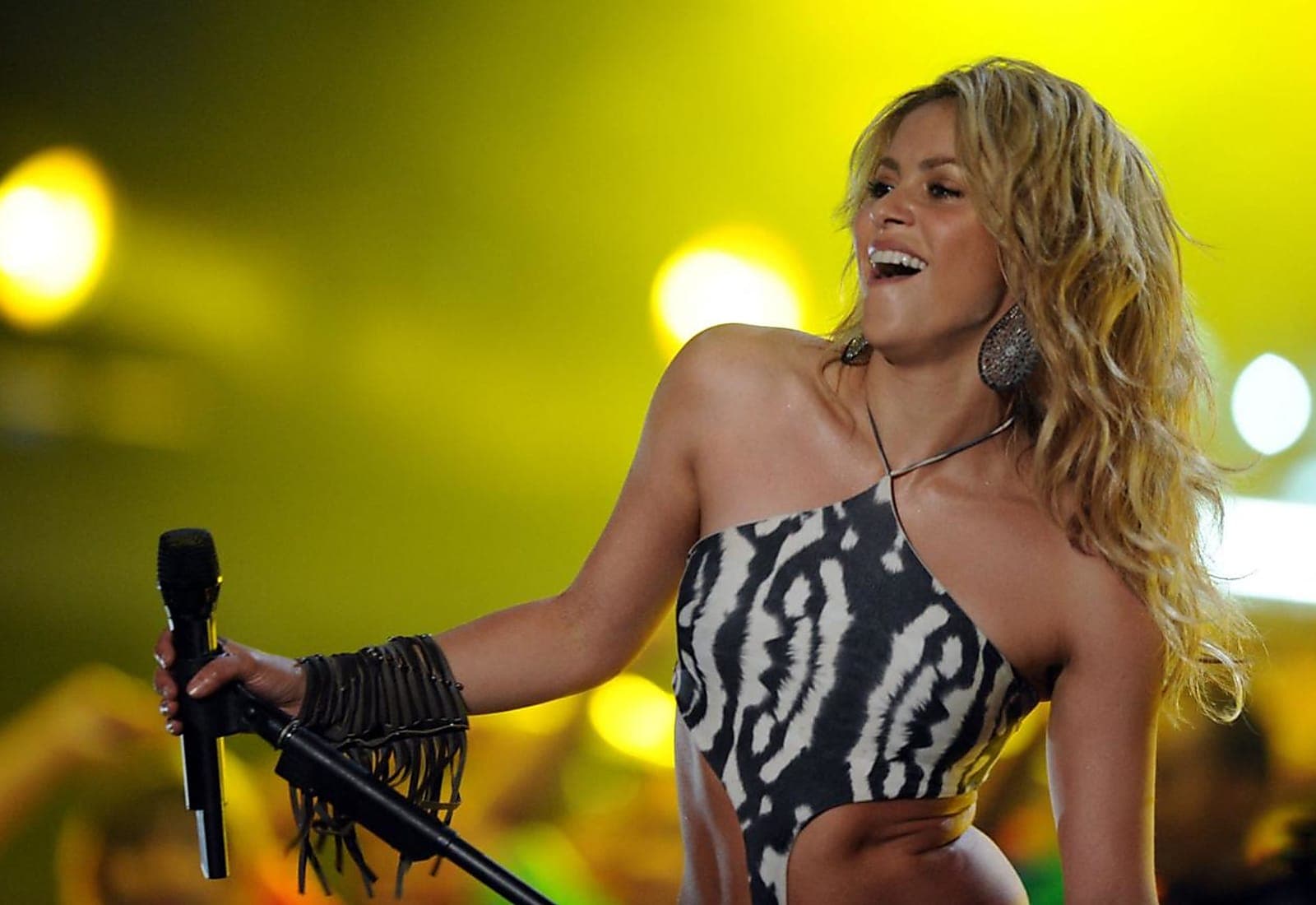
When FIFA World Cup songs succeed, they become more than music.
They become memory.
People remember:
- where they watched matches,
- who they celebrated with,
- the goals,
- the heartbreak,
- the flags,
- the noise,
- and the soundtrack playing behind it all.
That is why the reported collaboration between Burna Boy and Shakira on the 2026 World Cup anthem "Dai Dai" already feels culturally significant before the tournament has even begun.
On the surface, it may look like another major entertainment collaboration involving two global stars.
But underneath the headlines, the song represents something much bigger involving:
- African music,
- Latin music,
- global culture,
- football identity,
- and the changing balance of influence inside international entertainment.
Because the truth is this:
A Nigerian artist helping lead the soundtrack of the world's biggest sporting event says something enormous about where global culture is heading.
Why World Cup Songs Matter So Much
World Cup anthems are unique in global music culture.
Unlike ordinary hit songs, they become attached to emotional collective experience.
The best World Cup songs eventually represent:
- national pride,
- global celebration,
- nostalgia,
- sporting emotion,
- and cultural unity.
Tracks such as:
- "Waka Waka,"
- "La Copa de la Vida,"
- and other iconic tournament songs
became permanently linked to football history itself.
That emotional connection explains why FIFA carefully selects artists capable of reaching audiences across continents and generations simultaneously.
The World Cup is not just sport.
It is one of the largest cultural events on Earth.
Why Burna Boy's Involvement Matters Historically
For many Nigerians and Africans generally, Burna Boy's involvement feels symbolic far beyond entertainment.
African artists have always influenced global music culturally.
But now, African music increasingly sits at the centre rather than the edges of mainstream global entertainment.
That difference matters.
Burna Boy represents a generation of African artists who no longer approach international audiences as outsiders seeking validation.
Instead, they arrive as global stars already commanding:
- stadium tours,
- streaming dominance,
- fashion influence,
- and worldwide fanbases.
Afrobeats has evolved from a regional sound into a major global commercial force.
The fact that FIFA would reportedly place an African artist at the centre of a World Cup anthem reflects that transformation clearly.
Shakira Brings World Cup Legacy
Shakira's involvement adds another layer of significance because few artists are more closely associated with football music history.
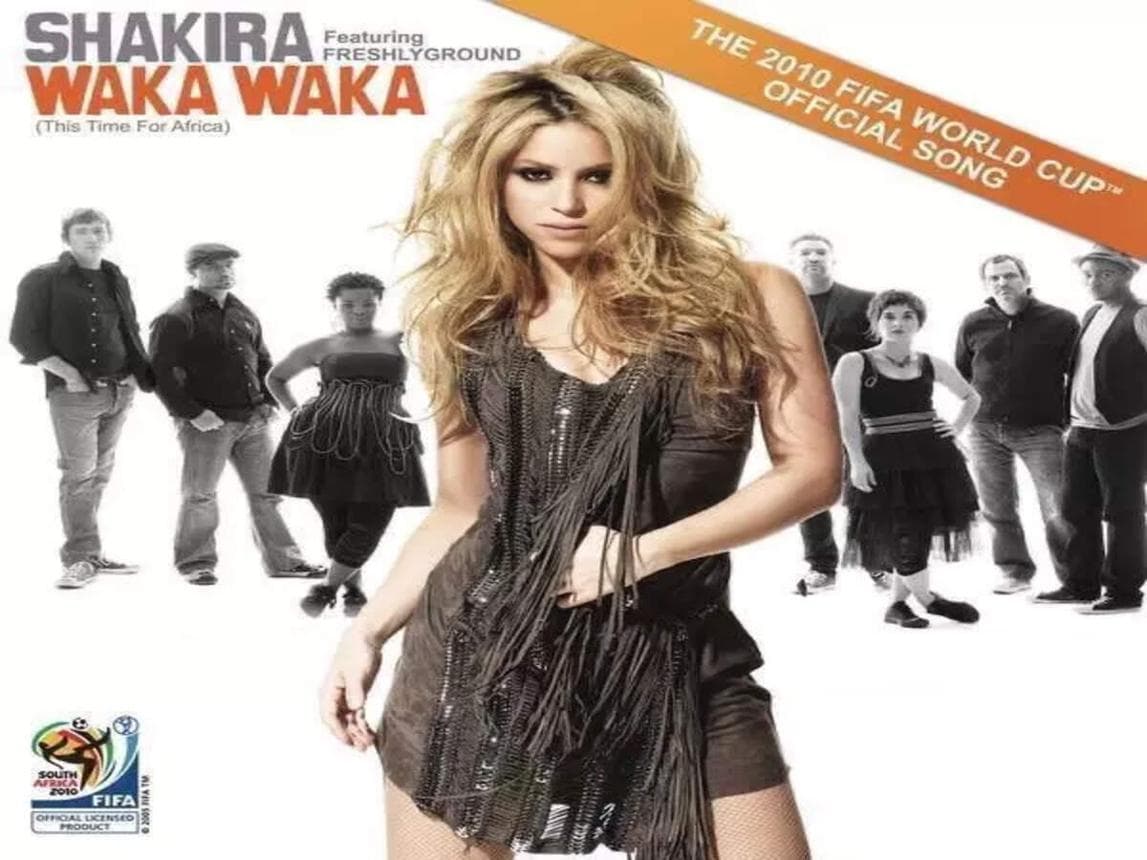
Her 2010 World Cup anthem "Waka Waka" became one of the most iconic football songs ever created.
Even years later, the track remains deeply connected to:
- African football memories,
- tournament nostalgia,
- dance culture,
- and global celebration.
That song succeeded partly because it blended:
- rhythm,
- emotion,
- international accessibility,
- and African musical influence.
Now, her collaboration with Burna Boy creates an interesting full-circle moment.
It symbolises a cultural bridge between:
- Latin global influence,
- African musical dominance,
- and football's worldwide emotional power.
"Dai Dai" Represents a New Global Sound
One reason the anthem already feels important is because it reflects how global music itself is changing.
For decades, Western pop music largely dominated international entertainment systems.
Today, however, global audiences increasingly embrace:
- Afrobeats,
- Latin music,
- Amapiano,
- dancehall,
- and multilingual sounds.
Streaming platforms helped destroy many traditional language barriers in music consumption.
Young listeners globally now care more about:
- rhythm,
- energy,
- vibe,
- and emotional feeling
than whether songs fit traditional English-language pop formulas.
"Dai Dai" appears positioned directly inside this new global music era.
Football and Music Are Becoming More Connected Than Ever
Modern football culture now overlaps heavily with:
- fashion,
- music,
- nightlife,
- social media,
- and celebrity culture.
Players themselves increasingly move inside entertainment spaces traditionally separate from sport.
Artists and footballers now collaborate regularly around:
- branding,
- campaigns,
- tournaments,
- luxury fashion,
- and digital media.
The World Cup anthem therefore functions partly as:
- entertainment,
- marketing,
- cultural identity,
- and global storytelling simultaneously.
The selection of Burna Boy and Shakira reflects the kind of worldwide crossover FIFA now wants around the tournament.
Why Nigerians Are Especially Proud
The reaction inside Nigeria has been especially emotional because many people see Burna Boy's success as part of a larger African cultural victory.
For years, African music existed globally without always receiving equal institutional recognition.
Now, Nigerian artists increasingly headline:
- international festivals,
- award shows,
- fashion campaigns,
- streaming charts,
- and global partnerships.
Burna Boy becoming attached to a World Cup anthem reinforces the growing idea that African culture is no longer simply participating in global entertainment.
It is helping define it.
For younger Nigerians especially, that visibility feels deeply meaningful.
The Timing Matters Too
The 2026 World Cup itself already carries unusual importance.
The tournament will involve:
- expanded participation,
- massive North American hosting,
- enormous global audiences,
- and major commercial investment.
It may become one of the largest sporting spectacles in history.
That means the anthem attached to it could potentially reach billions of people worldwide.
The cultural exposure attached to that scale is extraordinary.
Critics Will Still Debate the Song
As with every major World Cup anthem, criticism is inevitable.
Football fans are emotionally attached to previous tournament songs, and comparisons happen instantly.
Some listeners prefer:
- older football anthems,
- regional football chants,
- or more traditional tournament music styles.
Others may question whether modern FIFA music has become overly commercialised.
But controversy itself often becomes part of what makes World Cup songs culturally memorable.
Why This Is Bigger Than Entertainment
The deeper significance of "Dai Dai" is not simply about whether the song becomes a hit.
It is about what the collaboration symbolises globally.
A Nigerian Afrobeats superstar and a Colombian global pop icon leading the soundtrack for football's biggest event reflects a major cultural shift.
Power inside entertainment is becoming more international, more multicultural, and less dominated by traditional Western systems alone.
That shift is changing:
- music,
- fashion,
- film,
- sport,
- and digital culture simultaneously.
Final Analysis
"Dai Dai" may eventually become remembered as:
- a tournament anthem,
- a football soundtrack,
- or simply another global hit.
But its real significance already goes deeper than charts or streaming numbers.
The collaboration between Burna Boy and Shakira represents two cultural worlds meeting at the centre of the planet's biggest sporting stage.
And for millions of Africans watching globally, that moment feels symbolic of something larger now happening across entertainment itself.
African culture is no longer waiting for the world's attention.
It already has it.## Subheading## Subheading## Subheading
No comments yet. Be the first to spark the conversation.