Why this ranking matters more than it first appears
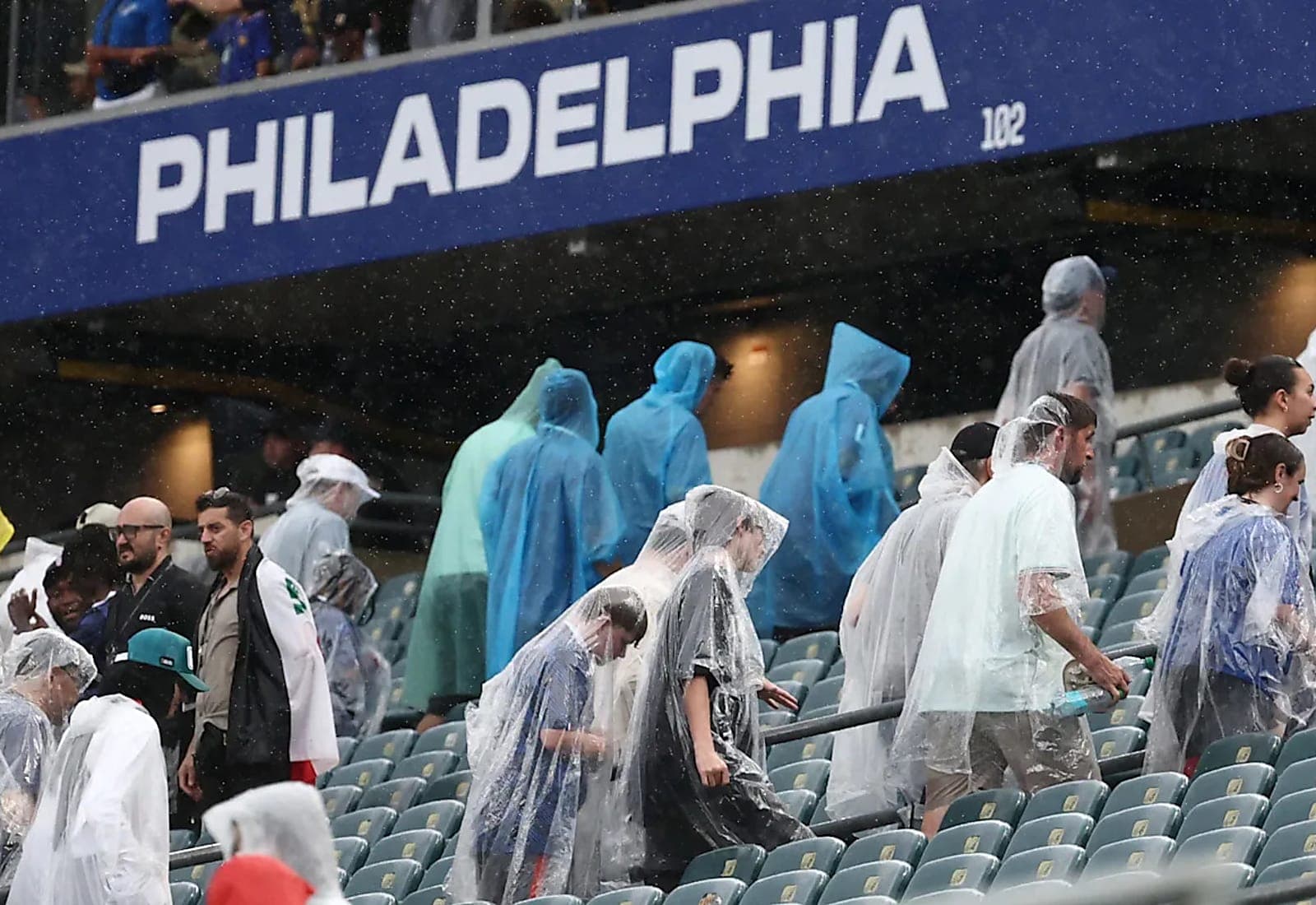
Philadelphia being ranked lower for World Cup fan experience may sound like the kind of story only local American readers would care about. In reality, it matters to a much wider audience, including Nigerians who hope to travel for the 2026 FIFA World Cup or simply want a realistic picture of what major tournament hosting looks like in practice.
According to a report from The News Journal, a SeatPick ranking placed Philadelphia eighth out of the eleven United States host cities, with a score of 6.44 out of 10 for fan experience. On its own, that number is just a headline. What matters is what it points to: a reminder that great football tournaments are not judged only by the quality of the matches. They are judged by the full journey around them, from transport and accommodation to safety, crowd movement, food costs and how easy it is for visitors to enjoy the city without stress.
For Nigerian readers, that is not a trivial issue. The 2026 World Cup will be one of the most expensive and logistically demanding tournaments many supporters have ever considered attending. Flights, visas, accommodation, foreign exchange pressure and local travel costs will already make the trip a serious commitment. A host-city ranking helps people think beyond the ticket and start asking the right planning questions.
What the Philadelphia score actually tells us
A lower fan-experience ranking does not mean Philadelphia is unfit to host major matches. It also does not mean supporters should avoid the city altogether. Rankings like this are best read as warning lights, not final verdicts.
They usually reflect the practical parts of attending a sporting event that fans feel most directly. Can you move around the city easily on a matchday? Is the stadium journey clear for visitors who do not know the local system? Are food and drink costs manageable? Is the atmosphere welcoming for families and first-time travellers? Does the wider city experience match the size of the global event being promised?
These questions matter because football supporters rarely remember a tournament only by the scoreline. They remember how hard it was to reach the stadium, how much they spent on basics, whether they felt secure at night, whether signage made sense, whether queues were manageable and whether the city made them want to return.
That is why the Philadelphia ranking should be seen as a planning signal. Even if the city improves before 2026, the report suggests that fan comfort cannot be taken for granted. For travellers spending real money, that is useful information.
Why Nigerians should pay attention now
Nigeria may not host the 2026 tournament, but Nigerian interest in the World Cup will be huge. Some supporters will travel from Lagos, Abuja, Port Harcourt and other cities. Others will join relatives in the diaspora. Some will build summer travel around one or two matches. Even readers who stay home will track the event closely because World Cups shape tourism trends, fan culture, sponsorship conversations and football expectations far beyond the host countries.
For many Nigerian travellers, planning a World Cup trip is not like planning a casual weekend abroad. It involves exchange-rate risk, advance savings, visa timing, accommodation decisions and often group coordination with friends or family. A city that scores lower on fan experience can turn a dream trip into an expensive exercise in avoiding preventable stress.
That is why rankings like this have practical value. They help travellers ask better questions early:
- Which host city gives the best value once local transport and food are added?
- Is it better to stay farther out and commute, or pay more for proximity?
- Will a matchday in one city be more family-friendly than another?
- How much contingency money should be kept for local movement and basic expenses?
These are the kind of planning decisions that separate an enjoyable trip from a draining one.
The cost issue is bigger than the ticket
One of the easiest mistakes fans make when planning a major sporting trip is focusing too narrowly on ticket availability. In reality, the ticket is only one part of the bill. Once flights, visa costs, accommodation, local transport, meals, mobile data, emergency expenses and city movement are added, the true cost rises quickly.
That matters even more for Nigerians because currency pressure changes how international spending feels. A small difference in local prices in the United States can become a major difference after conversion to naira. A city with weaker fan-experience marks may not always be the most expensive overall, but the ranking can still reflect pain points that become costly in practice.
For example, if movement between accommodation and stadium areas is awkward, fans may end up relying on more expensive last-minute rides. If food options around the venue are limited or costly, daily spending rises fast. If matchday logistics are confusing, supporters often spend extra simply to reduce uncertainty.
The lesson is simple: budget for the city, not only for the match.
Why host-city quality matters even if you are watching from Nigeria
Not every reader is planning to fly to the United States, but the story still has value from home. Host-city reports offer a useful way to think about what modern sporting infrastructure looks like and what fans increasingly expect from major events.
In Nigeria, debates around stadium quality often focus on pitch condition, seating or security. Those are important, but global fan experience is broader. It includes accessibility, transport links, food systems, digital ticketing ease, crowd communication and how friendly the venue feels to visitors who do not already know the environment.
That broader standard matters because Nigerian football culture is growing in sophistication. Fans compare experiences more easily now. Travellers share matchday breakdowns online. Diaspora supporters discuss which cities feel best organised. Sponsors pay attention to fan environments because they influence brand visibility and public mood. Even local policymakers can learn from what works and what does not in global tournament cities.
So even if you never plan to attend a World Cup match in person, this type of ranking still speaks to a wider football question: what should a truly fan-first sporting experience look like?
What Nigerian travellers should do with this information
The smartest response is not panic. It is preparation.
If Philadelphia remains on your shortlist for 2026, use the current ranking as a prompt to plan more carefully. Study transport routes well ahead of time. Compare hotel costs across different neighbourhoods. Leave more space in your budget for food and short-notice movement. Check stadium access rules as they are updated. If you are travelling with relatives, think about comfort and mobility, not just price.
It is also worth remembering that large tournaments change cities. Organisers improve signage, expand volunteer support and refine crowd plans as kickoff approaches. A lower ranking today does not freeze the city in place. But it does give fans a sensible reason to monitor improvements instead of assuming everything will be smooth automatically.
For Nigerians joining friends or family already based in the United States, local advice may matter more than viral travel content. A host city can feel very different depending on where you stay, when you move and how well you understand the local system. Good planning reduces unnecessary spending and avoids preventable mistakes.
What to watch before 2026
The most useful follow-up question is not whether Philadelphia deserves criticism. It is whether organisers respond effectively before the tournament begins.
Readers should watch for:
- clearer transport planning around the venue;
- updated matchday guidance for international supporters;
- city-level communication on safety and visitor movement;
- accommodation pressure as ticket phases advance;
- fan-service improvements as the tournament draws closer.
These indicators will tell supporters whether the current concern is temporary noise or a real planning issue that should influence travel choices.
For Nigerians, that kind of practical tracking is more valuable than dramatic online reactions. The goal is not to win an argument about one city. The goal is to make better decisions with better information.
Final takeaway
Philadelphia's lower fan-experience ranking is worth taking seriously, but not dramatically. It does not cancel the city as a World Cup destination. What it does is remind supporters that football travel is shaped by systems around the match as much as the match itself.
For Nigerian readers, the bigger lesson is about preparation. Big tournaments reward supporters who plan for logistics, costs and comfort well before kickoff. They punish people who assume that a famous event automatically guarantees a smooth experience.
That is why this ranking matters. It gives fans a chance to think like travellers, not only spectators. And in a tournament as expensive and high-profile as the 2026 World Cup, that shift in mindset could save money, reduce stress and make the entire experience far more rewarding.
No comments yet. Be the first to spark the conversation.