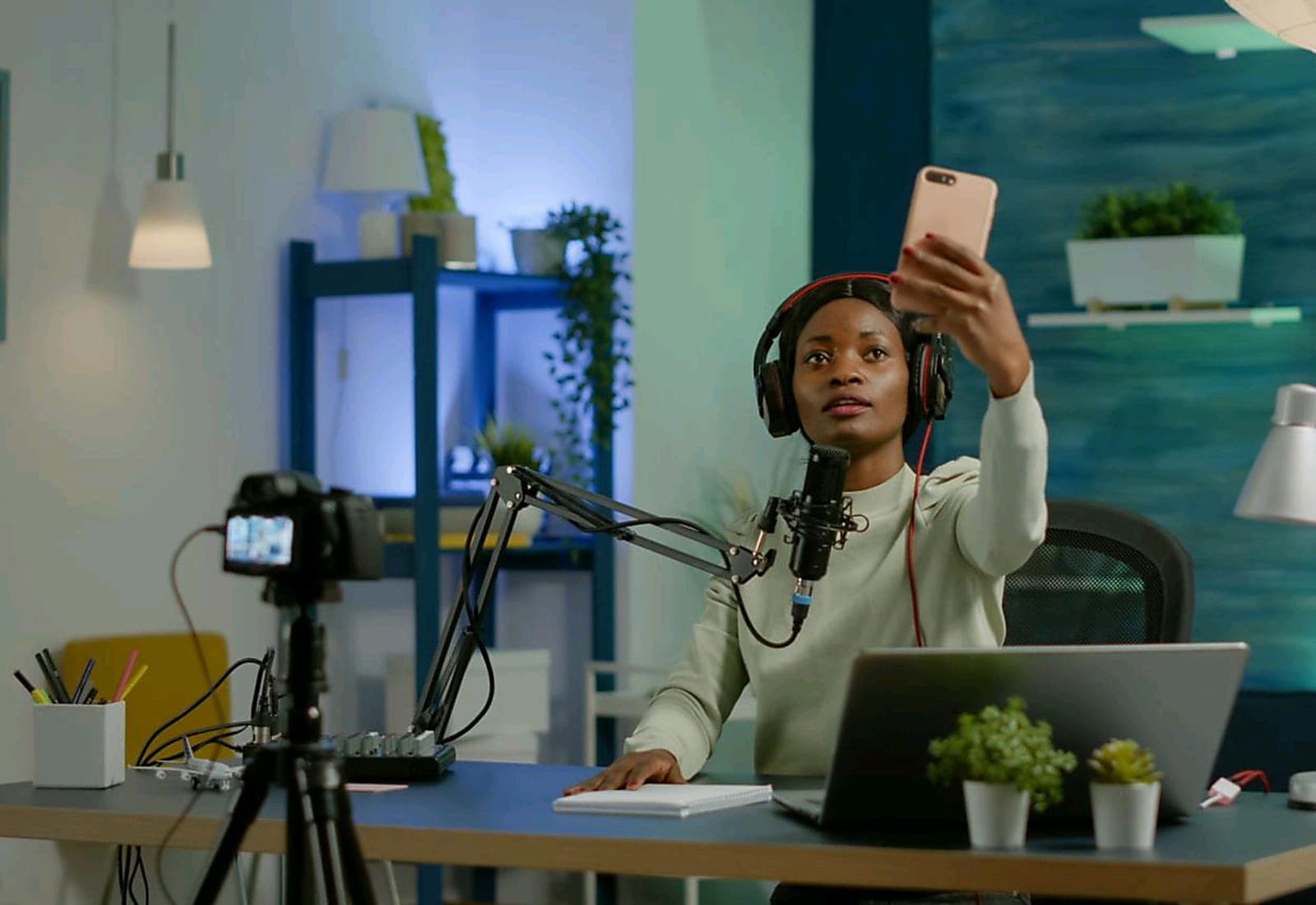
Everyone online is creating content. The question is no longer whether you should show up digitally. It is whether people know what you stand for when they find you.
A personal brand is not a logo or a colour palette. It is the answer to a simple question: when someone mentions your name in a room, what do people say about you? If that answer is unclear or inconsistent, you do not yet have a personal brand. You have a presence.
This guide is for creators who are ready to move from visible to memorable. From posting to positioning. From creating content to building something that earns trust, opens doors, and eventually generates income.
What a Personal Brand Actually Is (and What It Is Not)
A personal brand is the deliberate practice of shaping how the world perceives your expertise, values, personality, and story. The word "deliberate" is doing a lot of work in that sentence.
Most people build a personal brand by accident. They post inconsistently, switch niches every few months, and wonder why their audience is not growing. The creators who break through are the ones who decide clearly what they want to be known for and then show up for that idea, repeatedly, across multiple platforms.
What a personal brand is not: it is not performance, and it is not pretending to be further ahead than you are. The most trusted creators in 2026 are not the most polished. They are the most consistent and the most honest.
Step 1: Define What You Want to Be Known For
Before you post a single piece of content, answer these three questions honestly:
Who do you help? Be specific. "Everyone" is not an audience. "Early-career Nigerian creatives who want to monetise their skills" is an audience.
What specific problem do you solve? Not broadly. Precisely. "I help people make money online" is vague. "I help graphic designers get their first three freelance clients using Instagram" is a positioning statement.
What makes your perspective different? Your lived experience, your contrarian take, your method, your story. Something only you carry.
Once you have answered all three, combine them into a personal brand statement. A simple formula:
I help [specific audience] achieve [specific result] through [your unique approach].
This statement goes in your bio, your website header, and anywhere you introduce yourself online. It is the anchor that keeps your content consistent even when the formats change.
Step 2: Choose Your Primary Platform and Own It
Trying to be everywhere at once is the fastest way to be meaningless everywhere. In 2026, the creators building the strongest brands are going deep on one or two platforms before they expand.
Choose your primary platform based on where your target audience actually spends time and which format plays to your natural strengths:
- LinkedIn: Best for professional authority, B2B positioning, coaching, and consulting. Written content and short video both perform well.
- Instagram: Strong for visual creators, lifestyle brands, photographers, designers, and anyone building a community through aesthetics and story.
- YouTube: The most powerful long-term brand builder for depth. Long-form video builds trust faster than any other format.
- X (formerly Twitter): Strong for thought leadership, writers, and anyone with sharp, opinionated takes on a specific topic.
- TikTok: Best for rapid reach and discovery, especially for younger audiences. Works well for education, humour, and raw, behind-the-scenes content.
Short-form video is the dominant format across all platforms in 2026. Creators who demonstrate their expertise through short, useful, personality-driven videos are growing faster than those who rely on text alone. If you are camera-shy, that is understandable but it is also a limitation worth actively working on.
Step 3: Create Content That Builds Trust, Not Just Followers
Follower counts are vanity. Trust is the actual currency of personal branding.
The content that builds trust falls into three broad categories:
Educational content shows your expertise. Tutorials, breakdowns, frameworks, and explainers. This content positions you as someone worth listening to.
Personal content shows your humanity. Your story, your failures, your behind-the-scenes process. This content makes people feel connected to you as a person, not just a brand.
Engagement content invites conversation. Questions, polls, contrarian takes, and responses to what your audience is already talking about. This content builds community.
A healthy personal brand content mix draws from all three. If your content is entirely educational, it can feel cold. If it is entirely personal, it can feel self-indulgent. The creators who grow fastest combine all three naturally.
One important principle for 2026 specifically: AI is flooding every platform with polished, generic content. Your differentiation is your genuine voice. Your opinions, your specific experience, your take on things that only you have lived. That cannot be replicated.
Step 4: Be Consistent Before You Are Perfect
Consistency is the most underrated ingredient in personal brand building. It takes time for people to trust you, and trust is built through repeated, reliable exposure.
Research consistently shows it takes multiple interactions before someone moves from casual follower to genuine fan or client. Those touchpoints do not happen with sporadic posting. They happen through steady, reliable presence over months.
Set a publishing schedule you can actually maintain. One quality post per week, every week, for a year will outperform five posts per week for one month followed by silence. The creators who win are not the most talented. They are the most consistent.
Practical tools that help: Buffer or Hootsuite for scheduling posts in advance. Notion or a simple Google Sheet for planning your content calendar. Canva for creating visual content quickly without a design background.
Step 5: Build a Home Base Outside Social Media
Social media platforms are borrowed land. Algorithms change. Accounts get restricted. Reach fluctuates without warning. Every creator who has built their entire brand on a single platform has eventually felt the cost of that decision.
Your home base is a place you own: a website, a blog, or most importantly, an email list.
An email list is the most valuable asset a personal brand can build. When someone gives you their email address, they are saying they trust you enough to invite you into their inbox. That relationship is more durable and more monetisable than any social media following.
Start building your list from day one. Offer something useful in exchange for an email address: a free guide, a checklist, a short course, a resource pack. Platforms like Mailchimp, ConvertKit, or Substack make this straightforward and affordable for creators just starting out.
Step 6: Monetise the Trust You Have Built
A personal brand without a monetisation strategy is a hobby. The income model for personal brands in 2026 generally follows this progression:
Services first. Freelancing, consulting, or coaching. Your brand creates inbound interest; you convert that interest into paying clients. This is the fastest path to income for most creators.
Digital products next. E-books, templates, presets, or short courses. These take time to create but can generate income repeatedly without additional effort.
Premium programmes. Group coaching, cohort courses, or mastermind communities for a smaller, paying audience. This is where creators with strong personal brands often generate their most significant income.
Brand partnerships and sponsorships. As your audience grows, brands will pay to be associated with your name. Sponsorships are viable even at relatively small audience sizes if your niche is specific and your engagement is high.
The key insight here: you do not need a large audience to earn from a personal brand. You need a trusted audience. A creator with 2,000 engaged followers in a specific niche can consistently earn more than one with 50,000 disengaged ones.
Common Mistakes That Stall Personal Brand Growth
Changing your niche every few months. Consistency of topic is as important as consistency of posting. Every time you pivot, you reset the trust you have built with your existing audience.
Prioritising aesthetics over substance. A beautiful feed with nothing meaningful to say will not hold anyone's attention. Lead with ideas, not decoration.
Ignoring your community. Personal branding is not broadcasting. It is conversation. Creators who respond to comments, engage with their audience's content, and acknowledge their community grow significantly faster than those who treat social media as a one-way channel.
Waiting until you feel ready. The version of you that is "ready" does not exist yet. It is built through the act of showing up before you feel prepared. Start imperfectly. Improve publicly.
Separating your brand from a business goal. Every piece of content should connect back to something: building your email list, attracting coaching clients, driving traffic to your website. Visibility without direction is just noise.
Expert Advice for Creators in 2026
- Document, do not just create. Share your process, not just your results. People connect with the journey more than the destination.
- Audit your existing online presence. Search your own name. What comes up? Does it reflect where you are going, or where you have been?
- Collaborate with peers. Joint content with other creators in your niche exposes you to new audiences and signals credibility to both communities.
- Track return engagement, not just reach. The metric that matters most is how many people come back to engage with your content repeatedly. That signals genuine influence.
- Review your strategy quarterly. What worked six months ago may not work today. Stay curious, stay flexible, and let data guide your decisions.
Conclusion
Building a personal brand online is not about becoming famous. It is about becoming known, trusted, and valuable to the right people.
The formula has not changed: be specific about who you serve, show up consistently with content that genuinely helps them, build a home base you own, and monetise the trust that accumulates over time.
The creators who will look back in two years and say "that worked" are the ones who started before they were ready, stayed consistent when it felt pointless, and kept their focus narrow enough to actually mean something to someone.
Your personal brand is already being built. The only question is whether you are building it deliberately.
No comments yet. Be the first to spark the conversation.