Why this story matters
The registration of sixteen petitions with the Rivers State All Progressives Congress (APC) assembly panel marks a pivotal moment in a power struggle that has already drawn national attention. For readers, the significance lies in how intra‑party disputes in Nigeria's oil‑rich Rivers State can reshape legislative dynamics, influence the allocation of federal resources, and affect the balance of power ahead of the 2027 electoral cycle. The petitions, which reportedly touch on legislative conduct, alleged abuse of office and constitutional disagreements, signal that factions within the APC are moving from behind‑the‑scenes manoeuvring to formal, potentially litigious, challenges. As the state contributes substantially to the national treasury, any prolonged instability risks disrupting policy implementation and deterring investment. Understanding the contours of this dispute offers insight into the broader health of Nigeria's democratic institutions and the ways local battles may reverberate through the country's political landscape.
Context and background
Rivers State has long been a flashpoint in Nigerian politics, owing to its strategic position in the Niger Delta and its status as a major oil producer. Over the past twelve months, the state has witnessed a series of confrontations between two dominant APC factions: one aligned with Governor Siminalayi Fubara, who assumed office in 2023, and another loyal to former governor Nyesom Wike, now Minister of the Federal Capital Territory. The rivalry intensified after the 2023 gubernatorial election, when disagreements over the allocation of party tickets and control of state structures spilled into public disputes. According to reports, the assembly crisis began in earnest when several lawmakers accused the governor's allies of undermining legislative independence, prompting a series of motions and counter‑motions in the state assembly.
Complicating matters, the federal government has repeatedly called for calm in the Niger Delta, warning that protracted conflict could jeopardise oil output and national revenue. Yet despite mediation attempts by senior APC figures and occasional cease‑fire agreements, the underlying contest for patronage networks and control of state institutions has persisted. The arrival of sixteen petitions adds a new procedural layer to an already complex tableau of personal ambition, regional loyalties and party politics.
What happened
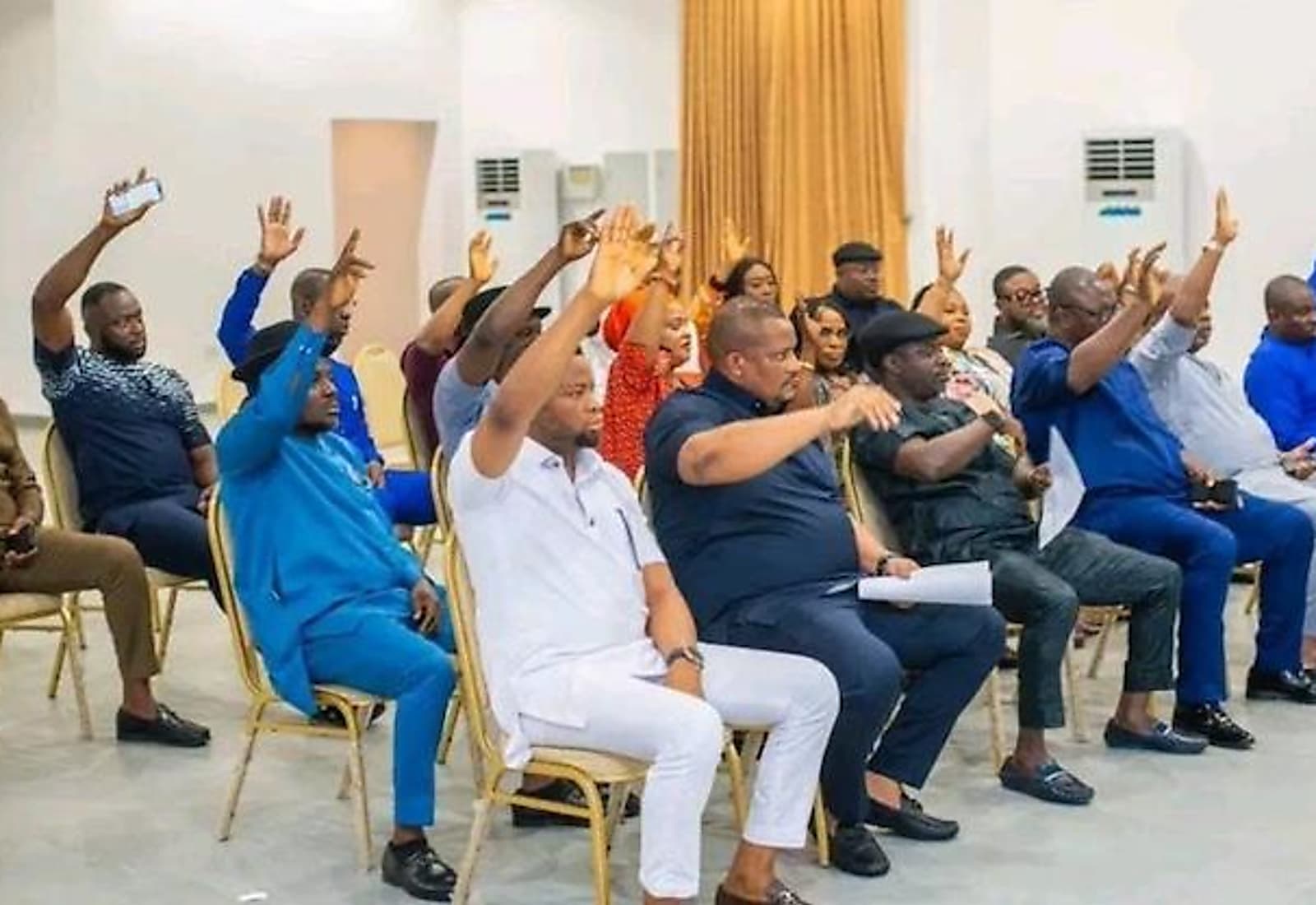
In early June 2026, the APC's Rivers State assembly panel announced that it had formally received sixteen separate petitions from a mixture of legislators, party officials and civil society actors. While the panel has not released the full text of each petition, sources close to the process indicate that the complaints span a range of issues: alleged breaches of the party's code of conduct, accusations of intimidation against opposition members, concerns over the legality of certain assembly decisions, and claims that executive interference has compromised the independence of the legislature. The petitions were submitted through the party's established grievance mechanism, which requires a written statement, supporting evidence and a request for remedial action.
Panel members, who operate under the APC's national constitution, are now tasked with verifying the credibility of the allegations, determining whether any disciplinary measures are warranted, and possibly referring matters to the party's disciplinary committee. The process is expected to involve hearings, written submissions and, if necessary, a vote among panel members. As of the latest briefing, no definitive outcomes have been announced, and the panel has indicated that it will release a summary report once investigations are complete.
Why it matters now
The timing of the petitions coincides with a critical juncture in Nigeria's political calendar. With the 2027 general elections looming, both the Fubara and Wike camps are positioning themselves for influence over candidate selection, campaign financing and strategic alliances. A formalised petition process could be leveraged by either side to undermine the other's credibility, potentially reshaping the internal hierarchy of the state APC. Moreover, the public nature of the complaints may erode voter confidence in the party's ability to manage internal disputes democratically, a factor that could affect the APC's performance in upcoming local and gubernatorial elections.
Beyond party politics, the petitions raise substantive questions about governance in Rivers State. If allegations of legislative misconduct or executive overreach are substantiated, they could trigger constitutional scrutiny and possibly invite intervention from the Independent National Electoral Commission or the judiciary. Such outcomes would not only affect the state's political equilibrium but also set precedents for how intra‑party grievances are handled across Nigeria's multi‑party system.
Deeper analysis
The emergence of sixteen petitions should be viewed through the lens of Nigeria's broader pattern of institutional contestation. Historically, political actors in the Niger Delta have relied on a mix of formal legal channels and informal patron‑client networks to settle disputes. The decision to lodge multiple petitions through the APC's official panel suggests a strategic shift toward leveraging institutional legitimacy, perhaps in anticipation of heightened scrutiny from national observers and the media.
From a power‑distribution perspective, the petitions may serve as a pressure‑testing mechanism. By documenting grievances in writing, factions can create a paper trail that can be presented to party elders, the media or even the courts, thereby increasing the cost of retaliation for the opposing camp. This tactic aligns with a growing trend among Nigerian politicians to weaponise procedural tools-such as party primaries, internal tribunals and anti‑corruption agencies-to gain leverage without resorting to outright violence.
Economically, prolonged instability in Rivers State threatens the flow of oil revenue, which constitutes a significant portion of the federal budget. Investors and multinational oil firms monitor political risk closely; a perception of persistent factionalism could translate into higher insurance premiums, delayed projects, and reduced foreign direct investment. In turn, diminished fiscal inflows may exacerbate the very governance challenges-poor infrastructure, unemployment and insecurity-that fuel public discontent.
The internal dynamics also intersect with national party strategy. The APC's leadership in Abuja has been keen to showcase unity ahead of the 2027 elections, especially after losing ground in several key states during the 2023 cycle. A high‑profile dispute in Rivers could compel the national executive to intervene, either by appointing a neutral overseer or by mediating a settlement. Such involvement, while potentially stabilising, may also be perceived as external interference, further complicating intra‑state relationships.
For ordinary citizens, the petitions underscore a broader demand for accountability. Civil society groups in Rivers have increasingly called for transparent mechanisms to address corruption and abuse of power. The panel's handling of the petitions will therefore be watched not only by party insiders but also by activists and the electorate, who may interpret the outcome as a barometer of democratic health in the region.
What happens next
The immediate next steps involve the panel reviewing each petition, convening hearings and compiling a report with recommendations. Should the panel find merit in any complaint, it may refer the matter to the APC's disciplinary committee, which could impose sanctions ranging from reprimands to suspension of party membership. Conversely, if the petitions are deemed unsubstantiated, the panel is likely to dismiss them, a decision that could provoke further protest from the aggrieved faction.
Parallel to the internal process, national APC leaders may step in to mediate, especially if the dispute threatens to spill over into the broader electoral calendar. Legal challenges could also arise, with aggrieved parties seeking judicial review of the panel's findings. In the coming weeks, observers should watch for statements from Governor Fubara's office, Minister Wike's camp, and the APC's national secretariat for clues about the direction of the conflict.
Final takeaway
The registration of sixteen petitions with the Rivers APC assembly panel highlights how intra‑party disputes are increasingly being framed within formal, procedural avenues. While the outcome remains uncertain, the episode illustrates the fragile equilibrium between political ambition, governance standards and economic stability in a state that sits at the heart of Nigeria's oil economy. How the panel navigates these grievances will offer a telling glimpse into the APC's capacity to manage internal dissent and, by extension, its readiness for the challenges of the 2027 electoral cycle.
Sources
*Related reading: APC 2027 Primaries: Hamzat, Adeola, Chinda Lead List of Governorship Candidates and Atiku Lobbying the US Government Over Human Rights in Nigeria.
No comments yet. Be the first to spark the conversation.