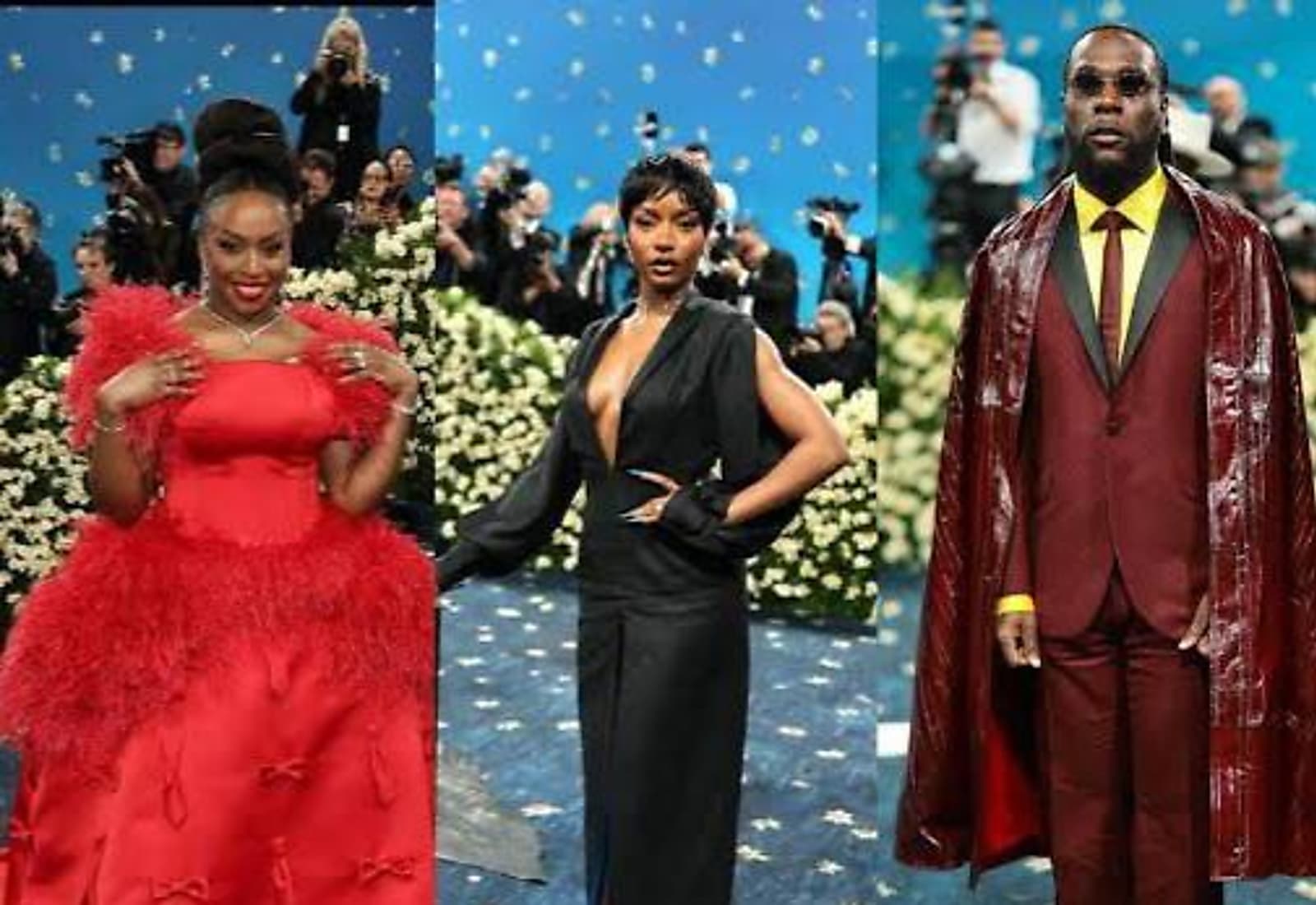
Luxury in Africa is no longer being defined as simply the ability to buy what comes from somewhere else. A more confident version is taking shape, one that treats local design, hospitality, food, architecture and experience as worthy of premium value in their own right. That shift matters because it is not only changing consumer taste. It is changing how status, aspiration and cultural confidence are expressed across major African cities.
Why this story matters
This story matters because luxury is never just about price. It is also about what a society chooses to admire, protect and elevate. When premium taste begins shifting from imported labels and borrowed aesthetics toward locally rooted quality and cultural authorship, that signals something bigger than a shopping trend. It signals a change in confidence.
That change has economic meaning too. Luxury influences fashion supply chains, hospitality investment, branding, tourism, digital culture and the kinds of businesses younger consumers decide are worth building. If a more self-defined African luxury market keeps growing, the winners will not only be wealthy buyers. They will also include designers, chefs, photographers, hotel operators, event curators and creative entrepreneurs who are able to serve a new kind of demand.
For Nigeria, this matters in a direct way. Lagos and other creative centres are already proving that premium African taste can carry social power, commercial value and international appeal without depending entirely on foreign validation.
Context and background
For years, luxury across much of Africa was frequently framed through external symbols. European brands, international travel, imported fine dining and foreign cultural references were often treated as the highest markers of status. That pattern did not emerge by accident. Colonial history, global media influence and the prestige attached to foreign goods all helped shape what people came to see as elite.
But consumer culture rarely stays frozen. Younger buyers, creators and audiences are now moving through a different reality. Social media gives African creatives direct visibility. Fashion weeks, design studios, food culture and boutique hospitality spaces are no longer waiting quietly for outside approval. They are building their own language of premium experience.
That is why the phrase "African luxury" feels more substantial now than it once did. It no longer sounds like a niche label for handcrafted objects alone. It increasingly refers to a wider ecosystem of style, storytelling, curation and place-based sophistication.
What happened
The current article describes a new wave of African luxury influencing fashion, travel and food culture. That broad observation is directionally right, but the stronger interpretation is that this is not one isolated trend. It is a convergence of changes in taste, digital visibility and economic ambition.
Fashion brands are presenting African craftsmanship with more precision and self-belief. Boutique stays and culturally grounded destinations are becoming part of aspirational travel. Restaurants are reintroducing African ingredients and dishes in ways that emphasise quality, hospitality and identity rather than apology or imitation. These shifts are connected because they are all responding to the same deeper question: what does premium African life look like when it no longer needs to copy older prestige codes?
That is the real development. African luxury is becoming less imitative and more authored.
Why it matters now
It matters now because the younger generation shaping consumption is more interested in meaning than many previous prestige cultures allowed for. A logo still matters in some spaces, but experience, story, design integrity and cultural relevance now matter too. In other words, people increasingly want premium things that say something real about them, not only something expensive about them.
This shift is amplified by digital life. Instagram, TikTok and visual culture have made curation part of identity. But instead of copying a single global luxury template, many African creators are now building aspirational worlds that feel specific to place, texture, mood and heritage. That visibility has emotional power. It tells audiences that elegance does not have to arrive from outside.
It also matters because the premium segment often shapes wider cultural aspiration. What starts among affluent urban consumers can influence mainstream taste, design standards and broader commercial ambition over time. That makes the current luxury shift a useful lens for understanding where African cultural industries may be heading next.
Deeper analysis
The most important part of this story is not that wealthy people still want beautiful things. That is not new. The important part is that beauty, taste and status are increasingly being defined through African authorship rather than mainly external reference. That changes who benefits economically and who gets to set the terms of aspiration.
Take fashion. A premium local brand is not only selling fabric or tailoring. It is selling narrative, identity and craftsmanship with higher margins and stronger cultural loyalty. The same is true in hospitality. A boutique stay that offers design quality plus rootedness, privacy and cultural texture is not competing on room count alone. It is competing on feeling.
Food culture may be one of the strongest examples. For a long time, elite dining often borrowed prestige from elsewhere. Now African cuisine is increasingly being presented as worthy of sophistication without needing to disguise itself as something foreign first. That matters psychologically and commercially. It turns local food into high-value experience rather than everyday habit alone.
For Nigeria, this trend sits inside a broader creative economy opportunity. If premium African taste becomes stronger, it creates room for producers who understand quality control, storytelling, design and service. The economic opportunity goes well beyond fashion labels. It includes interiors, event design, photography, culinary ventures, destination branding and wellness spaces.
Still, the movement has constraints. Infrastructure gaps, import dependence, funding pressure and production inconsistency can all limit how far premium brands scale. That is why the future of African luxury depends not only on culture, but on execution. Confidence opens the door. Systems determine how far the market can grow.
What happens next
The next stage will likely depend on whether African luxury brands and experiences can keep deepening quality while expanding reach. Readers should watch for stronger hospitality investment, more confident premium food concepts, better manufacturing support for designers and a continued shift toward experiences that feel locally grounded rather than globally generic.
It will also matter whether premium African brands can move from social-media admiration into durable business systems. Visibility is powerful, but staying power requires consistency, operational discipline and customer trust. The most successful players will likely be those who combine cultural originality with professional execution.
For consumers, the next phase may be even more interesting. As more people become comfortable defining luxury through taste, care and experience rather than foreign distance, the whole meaning of aspiration may become more local and more self-assured.
Final takeaway
African luxury is becoming more confident because it is increasingly built around local authorship, experience and cultural clarity instead of imported symbols alone. That matters not just for aesthetics, but for business, identity and creative opportunity.
The deeper point is simple: when a culture begins to define prestige on its own terms, it changes both what people buy and what people believe is worth building. That is why this shift in fashion, travel and food should be taken seriously. It is not only a lifestyle trend. It is a sign of growing cultural and commercial self-definition.
No comments yet. Be the first to spark the conversation.