Why this story matters
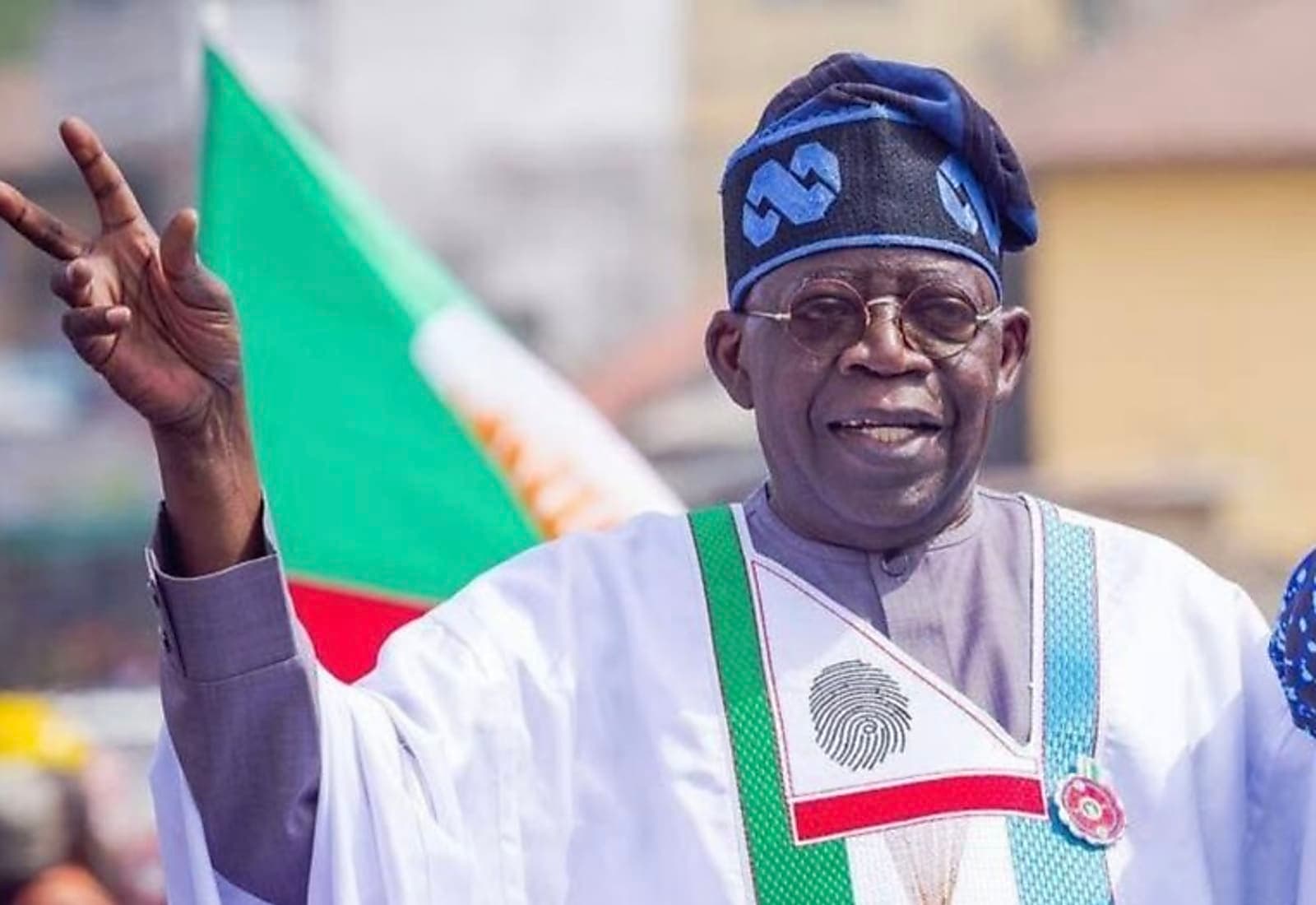
President Bola Tinubu's landslide victory in the All Progressives Congress (APC) primary is more than an internal party triumph; it determines the policy trajectory Nigeria will follow over the next five years. A confirmed nominee can now mobilise the party's vast resources, shape campaign messaging and, crucially, begin drafting the legislative agenda that will influence everything from fuel subsidies to youth‑entrepreneur grants. For the average Nigerian - whether a market trader in Lagos, a farmer in Kano or a student in Enugu - the outcome will affect price stability, job creation programmes and the allocation of public funds to schools and hospitals. Moreover, the imminent certificate of return formalises Tinubu's candidacy, triggering a cascade of security deployments, fiscal planning and civil‑society monitoring that will reverberate across the nation. Understanding these stakes enables citizens to anticipate policy shifts, prepare financially and engage more effectively in the democratic process.
Context and background
The APC primary held on 23 May 2026 was the final hurdle for the ruling party before the 2027 general election, a contest that will decide whether President Tinubu can secure a second term. Historically, APC primaries have acted as a barometer of party cohesion; a smooth, decisive outcome often translates into a unified campaign, while contested results can splinter support bases. Tinubu entered the race as the incumbent, leveraging a delegate network that stretches from Lagos and Oyo to Kaduna and Borno. The Independent National Electoral Commission (INEC) supervised the vote, reporting largely peaceful proceedings despite isolated logistical glitches in remote constituencies.
In the months leading up to the primary, intra‑party negotiations intensified. Rival factions vied for delegate allocations, seeking to embed their policy preferences into the party platform. While Tinubu's victory consolidates his grip on the APC machinery, analysts note lingering dissent among some regional leaders, particularly in the South‑East, where grievances over candidate selection have historically simmered. The smooth execution of the primary, coupled with the forthcoming certificate of return, positions the APC to launch a coordinated national campaign, even as opposition coalitions regroup to challenge the incumbent's agenda.
What happened
On Saturday, 23 May 2026, delegates from every state gathered at designated venues to cast secret ballots for the APC presidential ticket. After INEC completed the tally, the party announced that Tinubu secured more than 70 % of the delegate votes - a margin that underscores both his entrenched party machinery and the relative weakness of his challengers. The result was promptly certified, and the APC confirmed that Tinubu will receive his certificate of return on the following Sunday, formally authorising him to contest the 2027 general election.
The primary process unfolded in four stages: (1) delegate allocation based on state population and past electoral performance, (2) the voting day itself, (3) result aggregation, and (4) issuance of the certificate of return. While the overall conduct was described as peaceful, a handful of remote constituencies reported minor logistical issues, such as delayed ballot delivery. INEC's swift tabulation and the APC's rapid communication of the outcome suggest a well‑coordinated operation. The decisive win also paved the way for the party's national executive to begin outlining campaign strategies, policy platforms and candidate endorsements for the upcoming election cycle.
Why it matters now
Tinubu's primary victory arrives at a critical juncture for Nigeria's economy and security environment. The president has reaffirmed his commitment to the fiscal consolidation plan that targets a 12 % inflation rate and backs the Central Bank's monetary policy. For small‑scale traders in Lagos and market women in Enugu, this could translate into more stable prices for essential goods. In education, Tinubu has pledged a N150 billion allocation to the Universal Basic Education programme, potentially delivering new classroom blocks and teacher‑training initiatives in rural Niger State within the next year.
Security considerations are equally pressing. With the election calendar looming, security agencies are expected to increase deployments in the North‑East, where citizens in Borno may see heightened patrols and community‑policing initiatives. Additionally, the administration's plan to expand the Youth Entrepreneurship Scheme with an extra N5 billion in grants offers a tangible boost for young entrepreneurs in Lagos and Port Harcourt. However, the real impact will depend on how swiftly these programmes are operationalised and whether they reach the intended beneficiaries. The primary outcome also sets the stage for opposition parties to sharpen their policy critiques, potentially influencing voter sentiment in the months ahead.
Deeper analysis
The APC primary result consolidates Tinubu's political capital, yet it also exposes structural challenges that could shape the 2027 election. Firstly, the overwhelming delegate support - exceeding 70 % - reflects a highly centralised party apparatus. While this facilitates decisive campaign messaging, it may marginalise regional voices, particularly in the South‑East where intra‑party grievances have historically simmered. Such marginalisation could fuel defections or the emergence of splinter groups, which opposition coalitions might exploit.
Economically, the administration's pledge to maintain the fiscal consolidation agenda aligns with recent macro‑economic indicators, including a modest improvement in Nigeria's credit rating - a development explored in our earlier piece on the country's first credit rating upgrade in 14 years. Should the government sustain disciplined spending, it may attract further foreign investment, yet the reliance on large‑scale grant programmes, such as the N5 billion youth entrepreneurship fund, raises questions about fiscal sustainability. Critics argue that without accompanying private‑sector incentives, these grants risk becoming short‑lived stimulus rather than catalysts for lasting job creation.
Security remains a pivotal factor. The anticipated increase in security deployments ahead of the election could stabilise volatile regions, but the effectiveness of such measures hinges on coordination between federal and state forces. Moreover, the political rhetoric surrounding the primary has intensified scrutiny of the president's handling of insurgency in the North‑East, an issue that could dominate campaign debates.
From a governance perspective, the primary's smooth execution - despite minor logistical hiccups - demonstrates INEC's growing operational capacity. Yet, the possibility of legal challenges, a common feature in Nigerian elections, cannot be dismissed. Any court‑initiated delays in issuing the certificate of return could disrupt campaign timelines and provide opposition parties with strategic openings.
Finally, the primary outcome will likely influence fiscal policy discussions, especially in relation to the 2026 tax reform that introduced new revenue measures. Stakeholders, from small businesses to multinational firms, will be watching how Tinubu's administration balances tax reforms with growth incentives, a balance that could determine Nigeria's economic trajectory over the next decade. For a deeper look at the tax reforms, see our analysis of Nigeria's 2026 Tax Reform.
What happens next
In the coming weeks, the APC will formalise Tinubu's candidacy with the official certificate of return, after which the party's national executive is expected to launch a nationwide campaign agenda. Opposition parties are already coalescing around alternative platforms, and legal teams on both sides are preparing for potential court challenges concerning the primary's conduct.
Voters should anticipate increased political mobilisation, with town‑hall meetings, policy briefings and grassroots outreach becoming more frequent. Economic actors, particularly those in the informal sector, are advised to monitor forthcoming fiscal announcements, especially any adjustments to tax incentives or subsidy programmes. Security agencies will likely ramp up visibility in election‑sensitive zones, aiming to deter unrest. For a detailed look at how recent fiscal changes may affect you, see our analysis of Nigeria's 2026 Tax Reform.
Final takeaway
Tinubu's decisive win in the APC primary marks a pivotal moment in Nigeria's democratic calendar, setting the tone for the 2027 election and the policy direction that will follow. While the political victory is clear, the real impact will be measured by how promised economic, educational and security initiatives are implemented, and whether the administration can navigate legal and opposition challenges. Nigerians should stay informed, engage locally and prepare for the decisions that will shape the nation's future.
Sources
- TheCable - Tinubu wins APC presidential primary to receive certificate of return on Sunday
- Nigeria Gets First Credit Rating Upgrade in 14 Years: What S&P's 'B' Rating Means for You
- Nigeria's Debt Has Hit ₦159 Trillion: What It Means for Every Nigerian
- Nigeria's 2026 Tax Reform: What Has Changed and What It Means for You
No comments yet. Be the first to spark the conversation.