Why this story matters
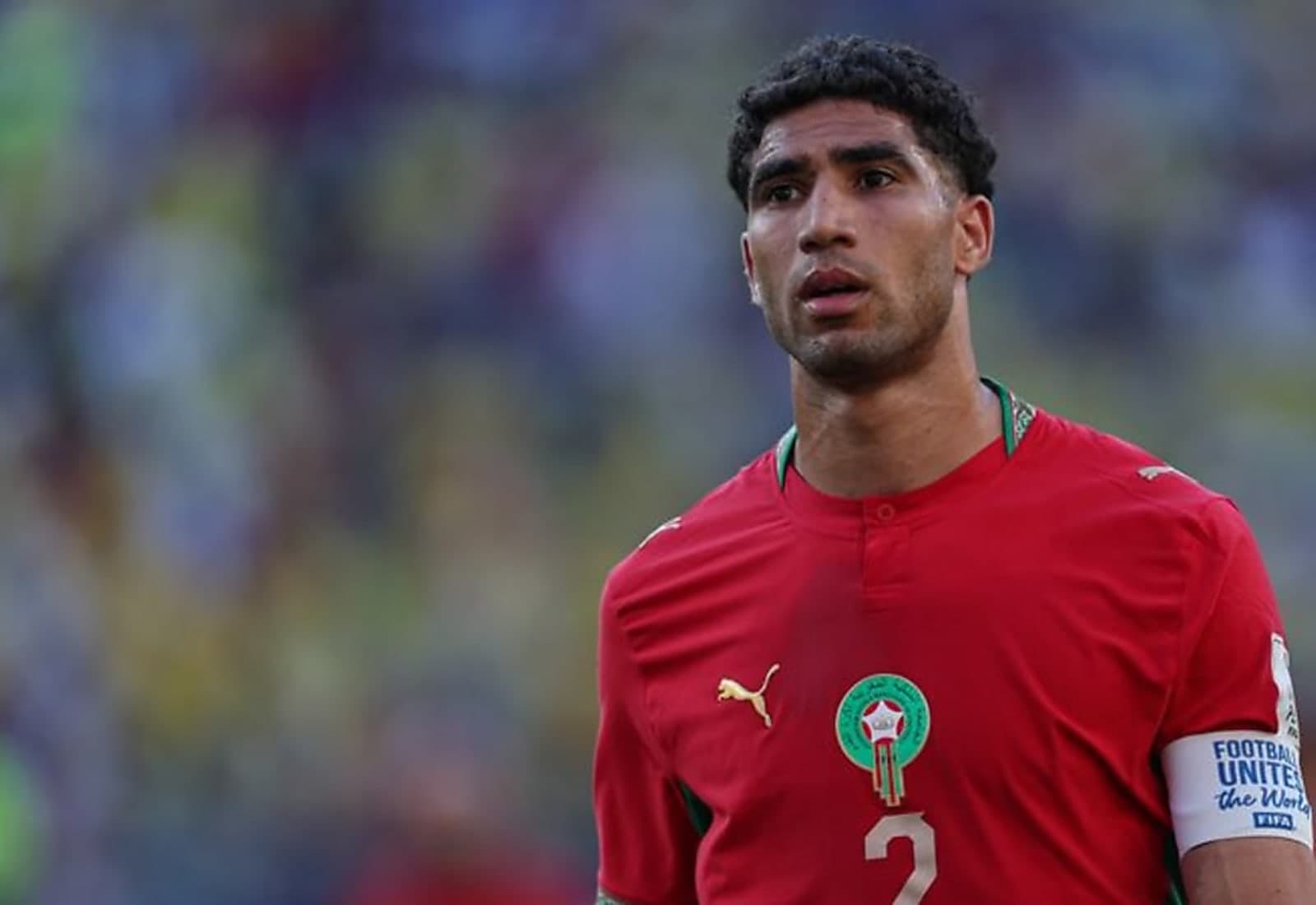
The pending trial of Achraf Hakimi, Morocco's high‑profile full‑back and Paris Saint‑Germain star, is far more than a personal legal matter. It sits at the crossroads of criminal justice, elite sport governance and the commercial ecosystem that underpins modern football. A conviction could activate FIFA's disciplinary provisions, prompting a suspension that would remove Hakimi from club and international duties, while also exposing PSG to sponsor scrutiny and possible contract clauses tied to player conduct. For Nigerian fans and the wider African diaspora, the case is a stark reminder of how quickly an allegation can evolve into a reputational crisis that reverberates through endorsement deals, national team selection policies and the broader perception of African talent in European leagues. Understanding the procedural timetable, the potential sanctions and the precedent‑setting nature of the outcome equips supporters, agents and club officials with the insight needed to respond responsibly rather than reactively.
Context and background
Achraf Hakimi, 27, rose through Real Madrid's famed La Fábrica before establishing himself at Borussia Dortmund, Inter Milan and, since the summer of 2024, Paris Saint‑Germain. Off the pitch he has been a vocal advocate for African football development, regularly appearing in initiatives aimed at improving youth pathways and infrastructure on the continent. The alleged incident is reported to have taken place in Paris in early 2024 during a private encounter that later led the victim to file a complaint. French police opened a formal investigation, collecting digital communications, forensic samples and CCTV footage from the surrounding area. After a thorough evidentiary review, the Paris public prosecutor concluded that the dossier met the threshold for a public hearing, prompting a summons to trial. The case will be heard in a criminal court in the 9th arrondissement, where Hakimi has entered a plea of not guilty. While the legal process unfolds, the football community has already begun to assess the possible ramifications for club contracts, national team selection and governing‑body policies.
What happened
During the pre‑trial phase, French investigators interviewed the alleged victim, secured statements from potential witnesses and obtained medical reports that were forwarded to the prosecutor's office. Digital evidence, including text messages and location data, was examined for corroboration. The prosecution's dossier, which includes CCTV footage from a nearby street and forensic analysis, was deemed sufficient to proceed to a public hearing scheduled for June 2026. At the trial, both prosecution and defence will be permitted to present their respective evidence, call expert witnesses and cross‑examine the opposing side. Under French law, a conviction for rape can carry a custodial sentence of up to fifteen years, a substantial fine and, through FIFA's Article 5 of the Disciplinary Code, a possible ban from all football‑related activities. An acquittal would clear Hakimi's criminal record, yet the extensive media coverage could still affect his market value, endorsement agreements and public image. PSG, as his employer, faces a delicate decision: whether to suspend the player pending the verdict, thereby protecting brand reputation, or to allow him to train and play, upholding the presumption of innocence.
Why it matters now
The timing of the trial coincides with a crucial World Cup qualifying fixture for Morocco against Scotland, placing the Royal Moroccan Football Federation in a precarious position. Deploying a player under criminal investigation could attract criticism from opponents, sponsors and human‑rights organisations, while benching Hakimi might diminish Morocco's chances of securing qualification, especially given his defensive versatility and attacking contribution. The case also arrives at a moment when football governing bodies are under heightened scrutiny for handling misconduct allegations, as illustrated by recent high‑profile cases across Europe. The outcome will test FIFA and UEFA's willingness to enforce their statutes on criminal convictions, potentially prompting a review of existing protocols. For African players, the situation underscores the importance of robust legal support networks, particularly when operating in jurisdictions with procedural norms that differ from those in their home countries. The broader public debate mirrors discussions in other sectors, such as the recent AI verdict examined in our analysis of the Musk Lost. OpenAI Won. Here Is What the Verdict Means for the Future of AI and the geopolitical fallout explored in the Russia Tests the Sarmat piece.
Deeper analysis
From a legal standpoint, French criminal procedure places the burden of proof squarely on the prosecution, requiring guilt to be established beyond reasonable doubt. The inclusion of CCTV footage and forensic material suggests a relatively strong evidentiary foundation, yet defence teams in comparable cases often challenge the interpretation of such evidence, arguing consent, misidentification or procedural irregularities in the collection of samples. The trial will also serve as a practical test of Article 5 of the FIFA Disciplinary Code, which obliges national associations to report convictions that affect a player's eligibility. While FIFA has a history of imposing bans for a range of offences-from doping violations to violent conduct-sexual‑assault convictions remain comparatively rare, leaving a degree of uncertainty about the length and scope of any potential sanction.
Commercially, PSG's sponsorship portfolio-anchored by global brands such as Nike, Accor and Qatar Airways-could be vulnerable. Historical precedents show that sponsors act swiftly to distance themselves from athletes involved in misconduct, often invoking morality clauses that allow contract termination or suspension of payments. A conviction could trigger these clauses, directly eroding the club's revenue streams and potentially affecting its ability to meet financial fair‑play requirements. Conversely, an acquittal does not guarantee a full restoration of Hakimi's marketability; public perception frequently lags behind legal outcomes, and brands may adopt a cautious stance until the dust settles.
For the Moroccan Football Federation, the dilemma extends beyond a single match. Selecting Hakimi while the trial proceeds could be interpreted as tacit endorsement of a player facing serious allegations, potentially inviting disciplinary action from FIFA or UEFA. Yet omitting a player of his calibre could weaken the squad's competitive edge, especially in a qualification campaign where goal difference and defensive stability are decisive. This tension reflects a broader pattern observed in African football, where national associations must constantly balance on‑field performance with off‑field governance-a theme explored in our coverage of the US‑Iran War.
Finally, the case highlights the growing expectation that clubs and agents provide comprehensive player‑welfare programmes. Legal education, cultural orientation and crisis‑communication strategies are increasingly seen as essential components of a modern athlete's support system. Proactive measures can mitigate the damage of legal entanglements, protect the player's rights and preserve the club's reputation, reinforcing the notion that safeguarding athletes extends beyond physical health to include legal and reputational resilience.
What happens next
The trial is slated for late June 2026, with a verdict anticipated within a few weeks of the hearing. In the interim, PSG is expected to release a statement reaffirming the presumption of innocence while reviewing internal policies on player conduct and crisis management. The Moroccan FA will convene an emergency meeting to decide on Hakimi's involvement in the upcoming qualifier, likely weighing legal advice against sporting necessity. FIFA and UEFA may issue interim guidance on handling players under criminal investigation, potentially updating their disciplinary manuals to reflect the evolving legal landscape. Stakeholders should monitor court filings, official club communications and any statements from the French prosecutor's office for the most reliable updates.
Final takeaway
Achraf Hakimi's trial functions as a litmus test for how contemporary football reconciles due‑process rights with commercial imperatives and ethical expectations. The outcome will shape not only his personal career but also set precedents for governing bodies, clubs and African players navigating foreign legal systems. For fans, agents and administrators, the priority is to follow verified information, understand the procedural stakes and recognise the broader implications for sport's governance and the reputation of African talent abroad.
No comments yet. Be the first to spark the conversation.