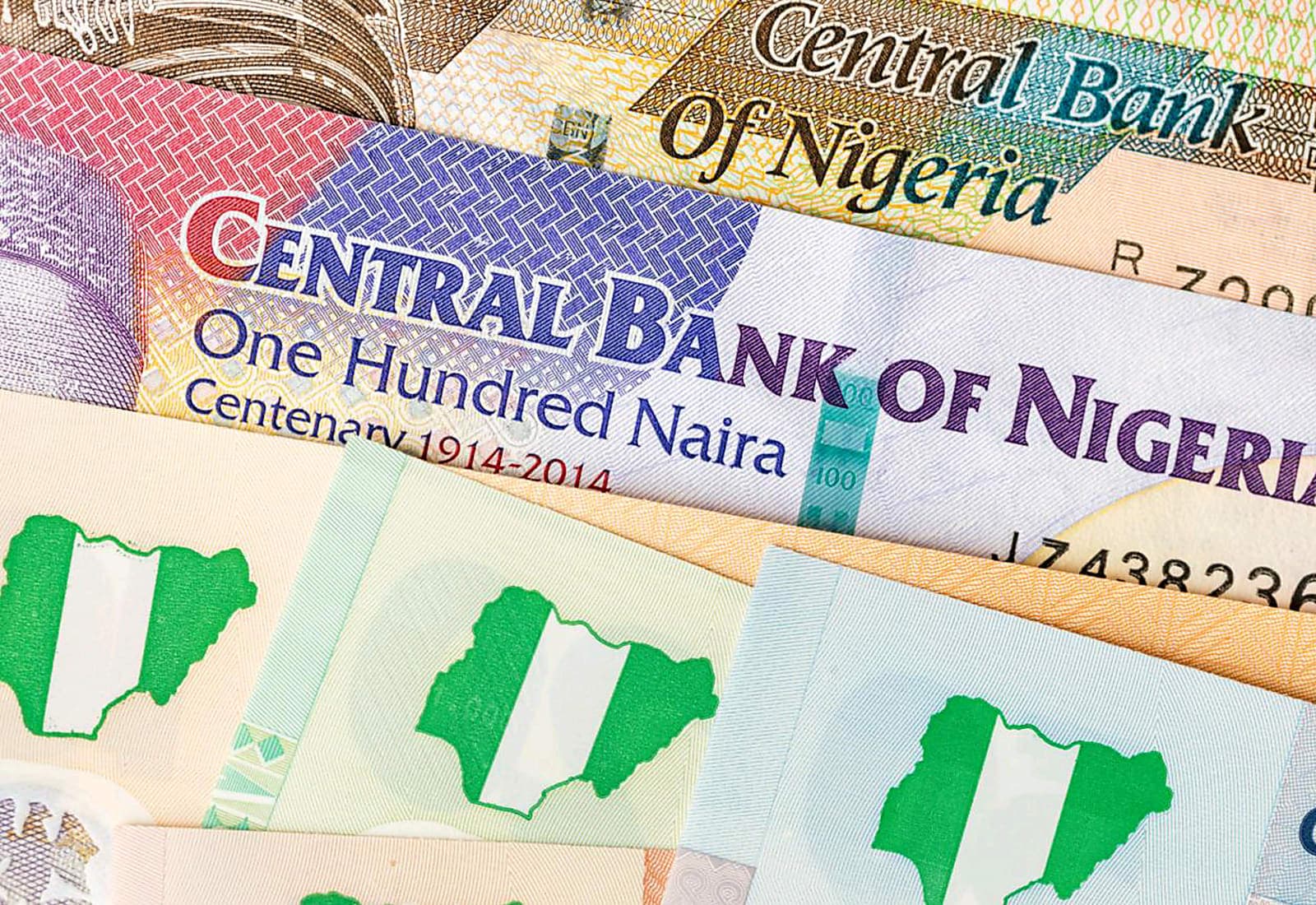
The naira's recent climb to ₦1,365 per dollar is more than a headline‑grabbing number; it signals a potential shift in Nigeria's foreign‑exchange landscape that could affect everything from grocery bills to corporate profit margins. For anyone paying for imported goods, planning a capital‑intensive project, or simply watching the cost of living, understanding why the currency has moved and what may follow is essential.
Why this story matters
A stronger naira reduces the amount of local currency needed to purchase foreign goods and services, which can translate into lower import costs for both households and businesses. In a country where imported fuel, foodstuffs and raw materials form a sizeable share of the consumption basket, even modest exchange‑rate improvements can ease inflationary pressure and improve disposable income. Moreover, the appreciation arrives alongside an increase in foreign reserves to $48.36 billion, giving the Central Bank of Nigeria (CBN) greater leeway to intervene in the market and curb excessive volatility. For investors, the move may hint at a more predictable macro‑environment, encouraging capital inflows into sectors such as manufacturing, retail and logistics that have long been hampered by currency risk. In short, the naira's rise touches on price stability, business planning and the broader credibility of Nigeria's economic policy.
Context and background
Over the past twelve months the naira has been under intense pressure. Persistent demand for dollars from import‑dependent firms, a constrained supply of foreign exchange, and high inflation-recorded at around 15 % in early 2026-pushed the currency to historic lows. Policy shifts, including the CBN's partial liberalisation of the forex market and periodic bans on dollar sales, added to market uncertainty. At the same time, Nigeria's oil‑dependent export earnings were volatile, reflecting global price swings and occasional production bottlenecks. These dynamics combined to create a cycle where a weaker naira fed higher import prices, which in turn fed inflation, further eroding purchasing power. The recent appreciation, therefore, must be read against a backdrop of structural challenges, but also against signs of stabilisation: rising reserves, improved transparency in the CBN's operations, and a modest easing of dollar demand as some importers secure forward contracts at more favourable rates.
What happened
On Monday, the official interbank rate settled at ₦1,365.25 per US dollar, a gain of roughly ₦9.70 from the previous Thursday. The move coincided with the Central Bank's latest reserve statement, which showed foreign reserves climbing to $48.36 billion as of 30 April-up from $46.8 billion a month earlier. Analysts attribute the shift to three inter‑linked factors. First, higher oil export receipts and a modest rebound in remittance flows bolstered the supply of dollars. Second, the CBN announced a series of short‑term liquidity injections aimed at smoothing out supply‑demand mismatches in the market. Third, market participants appear to be recalibrating expectations after a period of speculative trading that had driven the naira into the red. While the appreciation is modest in percentage terms, it represents the strongest official rate since early 2024 and has been echoed in the parallel market, where the rate edged closer to the official level.
Why it matters now
The timing of the naira's lift aligns with several converging economic signals. Inflation, which peaked at 18 % in late 2025, has begun to ease, falling to 15.1 % in May 2026. A weaker inflation trajectory often follows a stabilising exchange rate because imported goods become cheaper, reducing cost‑push pressures. For businesses, a more predictable forex environment simplifies budgeting for raw material imports, especially in sectors such as textiles, electronics and food processing. Consumers may notice a gradual softening of price hikes on imported items, although the effect will likely be felt over several months rather than instantly. Moreover, the rise in reserves improves the CBN's capacity to defend the naira against speculative attacks, which should dampen the frequency of abrupt devaluations that have previously disrupted trade contracts. In essence, the current environment offers a window for firms and households to plan with greater confidence, provided the underlying macro‑policy remains steady.
Deeper analysis
From a macro‑economic perspective, the naira's appreciation can be seen as the product of both supply‑side and demand‑side adjustments. On the supply side, Nigeria's oil sector has benefitted from a modest uptick in Brent crude prices, translating into higher export earnings. In addition, the diaspora's remittance corridor has shown resilience, with the World Bank estimating a 4 % year‑on‑year increase in inbound transfers for the first quarter of 2026. These inflows directly augment the foreign‑exchange pool that the CBN can deploy.
On the demand side, the CBN's recent policy tweaks-particularly the introduction of a more transparent auction mechanism for foreign‑exchange allocation-have reduced the premium that importers previously paid on the parallel market. By narrowing the spread between official and black‑market rates, the central bank has lessened the arbitrage incentive that fuels speculative pressure. The move also aligns with the CBN's broader "stable‑exchange‑rate" framework, which aims to anchor expectations through clear communication and consistent intervention thresholds.
Nevertheless, several risks remain. Global oil price volatility could quickly reverse the reserve gains, especially if OPEC‑plus production cuts tighten supply. Domestically, fiscal deficits financed by short‑term borrowing could re‑ignite dollar demand if the government resorts to market borrowing in foreign currency. Finally, structural bottlenecks-such as inadequate port infrastructure and persistent power shortages-continue to raise the cost of doing business, limiting the extent to which a stronger naira can translate into lower consumer prices.
For businesses, the prudent response is two‑fold. First, firms should lock in foreign‑exchange contracts now to hedge against a possible re‑devaluation, especially for high‑value imports. Second, companies can explore diversifying their supplier base to include more regional partners, thereby reducing exposure to dollar‑linked price swings. For households, the advice is more measured: monitor exchange‑rate trends before making large foreign‑currency purchases, but avoid panic‑driven conversions that could lock in unfavourable rates.
What happens next
The trajectory of the naira will hinge on three key variables. One, the evolution of foreign reserves: continued accumulation will reinforce the CBN's defensive toolkit. Two, central bank policy: any shift towards tighter monetary stance or renewed restrictions on dollar sales could stall the appreciation. Three, external shocks, notably oil price movements and global interest‑rate trends, which influence capital flows into emerging markets. Stakeholders should watch the CBN's monthly reserve reports, upcoming monetary‑policy committee minutes, and oil‑price forecasts from the International Energy Agency. A sustained reserve build‑up combined with consistent policy signals would suggest the current strength could be more than a fleeting blip.
Final takeaway
The naira's rise to ₦1,365 per dollar, underpinned by higher foreign reserves, offers a tentative but meaningful sign of stabilisation in Nigeria's foreign‑exchange market. While the improvement does not instantly erase inflationary pressures, it creates a more favourable environment for businesses to plan and for households to manage costs. The real test will be the durability of this trend, which depends on disciplined monetary policy, continued reserve growth and a steady flow of oil revenues. For now, the prudent approach is to use the window of relative calm to secure better import terms, hedge exposure where appropriate, and keep a close eye on the macro indicators that will dictate the next chapter of the naira's story.
Sources
- Central Bank of Nigeria - Monthly Foreign Reserves Bulletin (April 2026)
- National Bureau of Statistics - Inflation Report (May 2026)
- International Energy Agency - Oil Market Outlook (2026)
Related reading: Naira strengthens again as foreign reserves rise above expectations | Nigeria's naira sees mixed trading as parallel market hits ₦1,395 per dollar | Nigeria inflation eases slightly to 15.06% - What the shift means for households and markets
No comments yet. Be the first to spark the conversation.